
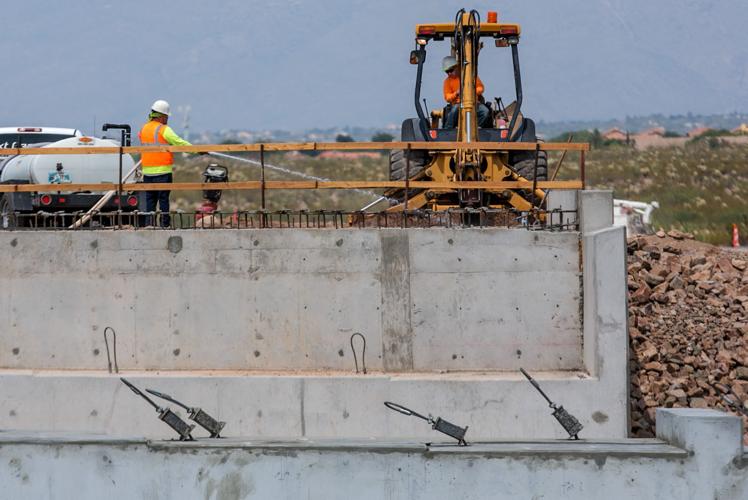
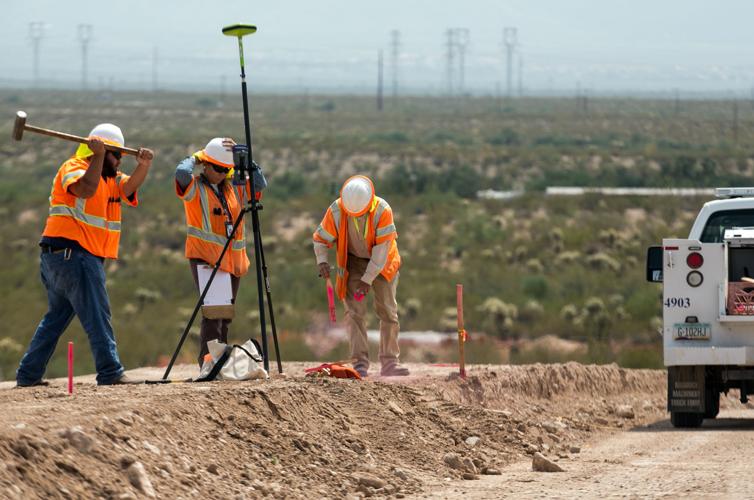
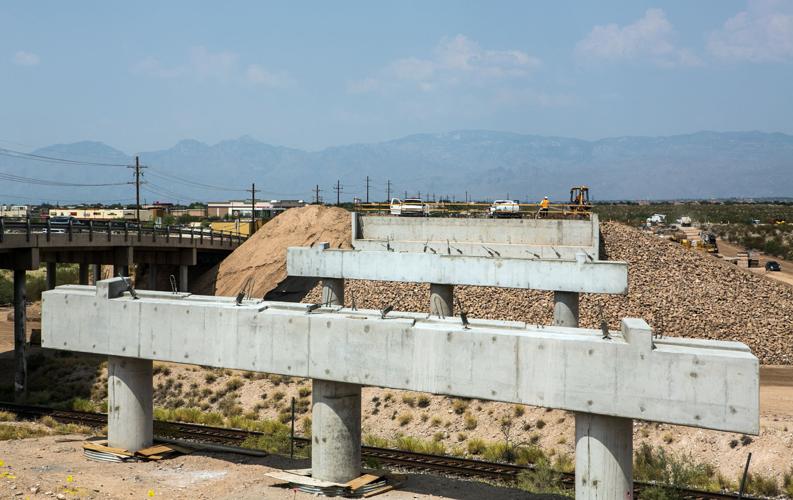
As the construction industry steadily adds jobs to keep up with economic activity, finding skilled laborers is posing a challenge.
A new report by the Associated General Contractors of America shows the majority of firms are having a hard time filling hourly craft positions such as carpenters, electricians, laborers and painters.
鈥淢ost firms believe labor shortages will remain difficult, or get even worse, during the next 12 months,鈥� the report says. 鈥淚f the kind of workforce shortages the industry is experiencing persist, there will be significant short-term and long-term implications for the broader U.S. economy.鈥�
Short-term, the report says, firms will hesitate to bid on construction projects for fear of not having the workforce to meet contractual obligations.
Long-term, construction companies will turn to new technology such as drones, robotics and GPS-guided equipment to compensate, thus eliminating these jobs for future generations.
People are also reading…
Locally, the worker shortage is starting to worry industry leaders.
鈥淚t is a growing issue and concern in Tucson鈥� said David Godlewski, president of the Southern Arizona Home Builders Association. 鈥淲e鈥檝e started to hear from builders who are having home starts delayed because the trades don鈥檛 have enough workers.鈥�
SAHBA has been working closely with groups that train students in construction careers and lobbying for more funding of trade programs.
鈥淲e鈥檝e also been working to get an understanding of the H2B guest-worker program and promoting immigration reform,鈥� Godlewski said. 鈥淲e are worried that if demand for home building sees a big uptick, there may be significant challenges getting the homes built.鈥�
In July, homebuilders opened 277 single-family residential permits in Pima County. That was a 16.9 percent jump from 2016 and the highest permit volume since 2008, year-to-date.
The AGC report said 74 percent of Arizona construction firms plan to expand and add hourly craft personnel in the next 12 months and 75 percent said they are having a hard time filling hourly craft positions.
More than half 鈥� 55 percent 鈥� expect it will continue to be hard to hire hourly craft workers and 35 percent believe it will become harder to hire, the report shows.
Ramon Gaanderse, executive director of the Arizona Transportation Builders Association, which represents civil and highway construction firms, said they are also feeling the effects of a worker shortage.
He said chain restaurants offer young workers good pay, benefits and the luxury of working indoors.
鈥淲e offer work outside, in the heat,鈥� Gaanderse said. 鈥淢any of today鈥檚 young people are not willing to put in that kind of effort.鈥�
And, since the majority of current skilled laborers are older, the problem is expected to get worse in the next decade as they retire.
鈥淲e鈥檙e having to go elsewhere to find the skilled labor,鈥� Gaanderse said. 鈥淲e go to North Dakota to entice construction workers with Tucson鈥檚 warm weather.鈥�
He said the association is targeting schools in Southern Arizona that have some construction-related curriculum in place and invite those students to an annual fair to give them hands-on experience.
鈥淲e鈥檙e introducing the industry to the next generation and getting these kids to understand the technology,鈥� Gaanderse said.
He, too, fears automation may eliminate these jobs in the future.
鈥淚 still think that鈥檚 a ways away,鈥� he said, 鈥渂ut it鈥檚 definitely being spoken of and being tested.鈥�
The AGC report urged advocacy for programs that teach these skills both in high schools and junior colleges.
鈥淭he bottom line is construction firms will figure out a way to cope with labor shortages,鈥� the report says. 鈥淚f federal, state and local officials enact measures to expand construction-focused career and technical education opportunities, and make it easier for all firms to establish construction training programs, then the solution will come from an influx on new, highly-paid workers.
鈥淏ut if elected officials fail to make the necessary investments and reforms needed to develop the next generation of craft workers, then the industry is likely to use labor-saving technology and techniques to meet demand, leading to fewer construction jobs in the future.鈥�