

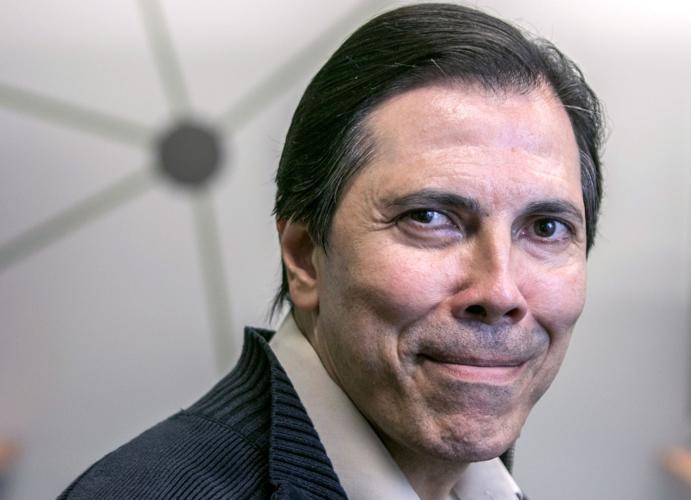
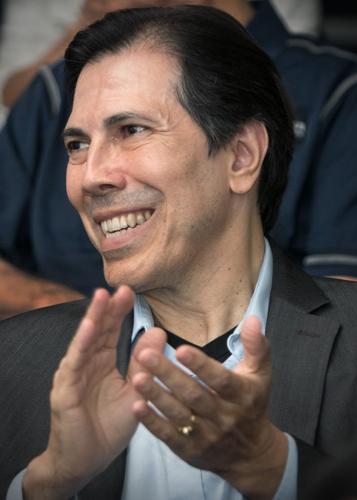
As the new director of the University of Arizona鈥檚 McGuire Center for Entrepreneurship, Remy Arteaga was handed the keys to a business-startup program that already ranks near the top of its field.
Arteaga sees plenty of opportunities to help the Eller College of Management鈥檚 acclaimed business startup program fly higher.
Since taking the helm in December, he鈥檚 been working to widen McGuire鈥檚 scope with course offerings across campus and new social-impact business offerings, while forging relationships with local startup groups.
鈥淲e want to be even greater than we are now,鈥� said Arteaga, a serial entrepreneur, teacher and author who headed entrepreneurship programs at Stanford University and the University of Colorado before joining McGuire.
鈥淲e鈥檝e ranked really well, I want us rank even higher, and I think Tucson is a great place to be able to pull that off 鈥� it鈥檚 really unique,鈥� he said.
People are also reading…
In a wide-ranging interview with the Star, Arteaga talked about his plans for McGuire, his ideas for collaboration and his entrepreneurship philosophy:
On plotting McGuire鈥檚 growth
One of Arteaga鈥檚 first charges was to study McGuire鈥檚 existing programs and set new measures for success and goals to realign the center for growth.
New metrics have been set, budgets have been aligned with programs and new strategies will be developed by the end of June, Arteaga said.
鈥淭hat will show what we鈥檙e trying to do with metrics and achieve target, so at the end of the year I can give you an impact report to say how much we鈥檝e spent and what we got from that expenditure. It鈥檚 great for us and it鈥檚 great for our donors, because if the cost of the impact is too high we can decide to shift our efforts elsewhere.鈥�
On offering McGuire courses across campus
Since his arrival, Arteaga has spearheaded an effort to gauge demand for entrepreneurship instruction among various colleges and strategies to extend those course offerings across campus. Working with Eller College Dean Paulo Goes and others, he has chaired a committee preparing a report on potential college partnerships to expose diverse student groups to entrepreneurship principles.
鈥淲e鈥檙e opening up all our course offerings to the rest of campus and having one of those (McGuire) tracks they could go to and take classes and get a certificate. We鈥檙e working on the minor right now, hopefully it will be approved in the fall but the certificate has been approved, so we can begin to issue those. 鈥�
鈥淚t became clear there was a huge demand, which backed up what Paulo felt. 鈥� The report is, we need to meet students where they are and create these entrepreneurial pathways.鈥�
On new social-impact offerings
McGuire announced earlier this month that computer software giant Microsoft Corp., had become the center鈥檚 鈥渟ocial impact鈥� partner, providing funding for events supporting the new social-impact course offerings, including a $5,000 鈥淪ocial Impact Prize鈥� awarded Friday as part of McGuire鈥檚 annual New Venture Competition.
Microsoft, which has had a longtime relationship with Eller, also will let students help develop the company鈥檚 local social-impact projects as part of a class.
鈥淣ow we鈥檝e added a new area called 鈥榮ocial impact,鈥� and under that we have social innovation and economic development. And within that we have five courses for social innovation, where someone could get a certificate, and they take social entrepreneurship and nonprofit leadership. And that鈥檚 completely new, a couple of months after I got here. There had been discussions before I got here, and the dean asked if it makes sense to have social impact under McGuire and I said it absolutely does.鈥�
On other McGuire
growth opportunities
鈥淚鈥檝e been doing a lot of research in terms of the segmentation of students. 鈥� There鈥檚 two segments I think are really interesting that maybe haven鈥檛 been addressed. One is the professional working student, and the other might be retirees, because people are retiring younger and living longer, and they don鈥檛 really want to retire they want to start their own business. There are different government programs out there, sometimes they are hit and miss, and a lot of times they鈥檙e learning more methodology and skills than the (entrepreneurial) mindset.鈥�
On his philosophy
on entrepreneurship
鈥淥ur philosophy, something I was able to bring that I鈥檓 a firm believer in, is that you first have to create the mindset and then you deal with the skill set. And a lot of entrepreneurship programs around the country and around the world, they focus on the skill set, the methodologies like 鈥榣ean startup鈥� and the Business Model Canvas.
鈥淭o me, that鈥檚 analogous to getting a do-it-yourself book on how to wire up a fixture, and then being asked to wire up a factory. 鈥� If you don鈥檛 have the fundamental mindset and the understanding of the principles, the second you face something you鈥檝e never seen before you鈥檙e kind of stumped. And I think students become disheartened because they can鈥檛 figure it out.鈥�
On collaboration
Arteaga said he鈥檚 already reached out to the local business startup ecosystem, including Startup Tucson and the local investor group Desert Angels, and plans to collaborate closely with all local entrepreneurship groups. On campus, he鈥檚 working closely with Tech Launch Arizona, the UA鈥檚 technology commercialization arm.
鈥淚t鈥檚 being a coordinated, collaborative partner, that is my mantra. My door is always open, I haven鈥檛 turned anybody away. But we can鈥檛 do everything, we have to be focused on what we are good at. As long as we can focus on that and partner with somebody else and what they鈥檙e good at, then I think we have a good shot.鈥�
On what attracted
him to the UA
Arteaga stepped down as director of Stanford University鈥檚 successful Latino entrepreneurship programs last October after building the program for nearly two years.
Exploring the UA job, Arteaga said he was immediately impressed by Dean Goes and the Eller College staff, and their passion for McGuire鈥檚 mission, felt 鈥渁t home鈥� in Tucson as soon as he arrived and saw a community on the verge of becoming a hot spot for entrepreneurship.
鈥淚t had all the elements. I鈥檝e studied entrepreneurial communities a lot and have been in a number of them, so I saw all the elements for a burgeoning entrepreneurship community 鈥� the downtown is being revitalized, the startup community is growing with Connect (CoWorking) and Startup Tucson. And I saw at the school the message of growth in entrepreneurship, so all those things came together.鈥�
On a Latino-focused
program at McGuire
Arteaga helped create the Stanford Latino Entrepreneurship Initiative and headed a related nonprofit, the Latino Business Action Network. The Stanford program took off, with startups incubated under the programs raising $21 million in just its first four months and graduating 240 entrepreneurs through its leadership program.
But Arteaga said he isn鈥檛 looking to recreate the Stanford initiative here.
鈥淚 don鈥檛 think it鈥檚 necessary. The Tucson Hispanic Chamber of Commerce, they鈥檙e doing a tremendous job in the region and also the Arizona Hispanic Chamber which does the DATOS conference (on the state鈥檚 Hispanic market) every year.鈥�
Contact senior reporter David Wichner at dwichner@tucson.com or 573-4181. On Twitter: @dwichner

David Wichner
Reporter


