


Every fall for the past dozen years, University of Arizona music professor Daniel Asia has hosted a days-long festival that focuses on composers and their works.
The event includes a film, concerts and discussions, and they are usually well-attended by UA music students and the Tucson community at large. In past years, as many as 1,500 people have participated.
This year鈥檚 13th annual Music + Festival, slated for Oct. 9-12, could conceivably attract 10 times that amount as the event heads to the virtual world in the face of the COVID-19 pandemic.
鈥淏ut we鈥檙e doing it. That鈥檚 the cool thing,鈥� Asia said last week. 鈥淚 wasn鈥檛 going to stop. We do this once a year and we鈥檝e got to keep doing it. This seemed to me like a shining light.鈥�
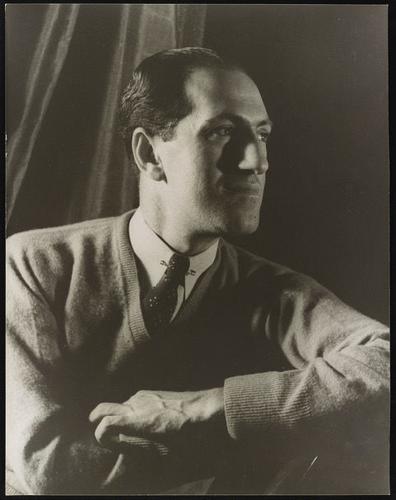
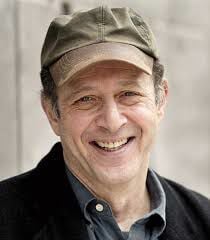
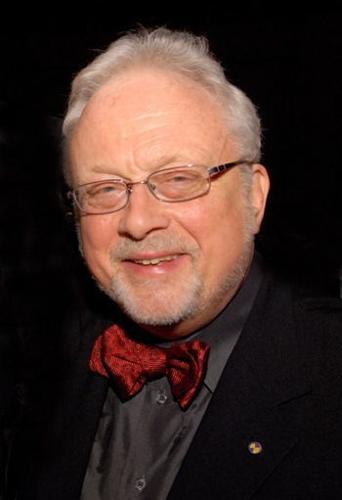
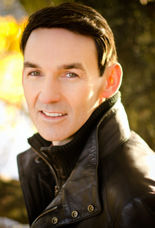
This year鈥檚 Music + Festival focuses on the music of disparate composers George Gershwin, Steve Reich and William Bolcom and will include a symposium featuring pioneering musicologist and cultural historian Joseph Horowitz, Bolcom and Canadian percussionist Russell Hartenberger. Hartenberger, a professor emeritus and former music dean at the University of Toronto, has been a member since 1971 of Steve Reich and Musicians, an ensemble that specializes largely in Reich鈥檚 works.
People are also reading…
The virtual event 鈥渉as the upside to it that we can call on people from all around the world who might be interested and excited to hear this,鈥� Asia said. 鈥淗ow often do you get to hear Gershwin, Reich and Bolcom together?鈥�
Asia said the three composers, whose music varies widely, share a few things in common including a rich and broad humanistic framework to their music and lives.
Gershwin, best known for his orchestral piece 鈥淩hapsody in Blue,鈥� the opera 鈥淧orgy and Bess鈥� and a catalogue of iconic Broadway hits (鈥淓mbraceable You,鈥� 鈥淚 Got Rhythm鈥�) penned with his brother Ira, came to classical music through Tin Pan Alley.
A high school dropout, he had no formal music training but managed to navigate his way into a pretty astonishing composing career starting in his teens. In his mid-20s, he applied to study composition with French composing great Maurice Ravel but was rejected with Ravel reportedly telling Gershwin, 鈥淲hy become a second-rate Ravel when you鈥檙e already a first-rate Gershwin?鈥�
Reich started his musical life as a percussionist in jazz and rock bands when he was a teen before becoming enamored with Baroque and early 20th century music including Arnold Schoenberg鈥檚 12-tone technique.
But his style veered more toward minimalism, marked by innovations in the technique in the 1960s including the use of repetitive figures and slow harmonic rhythm that in the 1980s lent a dark hue to his works as he turned his focus to historical themes.
Then there鈥檚 Bolcom, who Asia said is one of the greatest crossover artists of all time. Asia points to Bolcom鈥檚 three-hour setting of William Blake鈥檚 鈥淪ongs of Innocence and of Experience鈥� that took Bolcom 25 years to complete and includes classical, folk, jazz, rock and marching band influences.
鈥淵ou name it, it has everything,鈥� Asia said of the piece that is set for soloists, choruses and orchestra.
A 2004 recording of the work by Naxos earned Bolcom four Grammys in 2006 including for Best Classical Contemporary Composition.
{p style=”color: #000000; font-family: tahoma, arial, helvetica, sans-serif; font-size: 12px;”}{span style=”font-family: Verdana, Arial, Helvetica, sans-serif; line-height: 16px;”}Contact reporter Cathalena E. Burch at cburch@tucson.com. On Twitter @Starburch{/span}

Cathalena E. Burch
Reporter


