When critters start to graze in your yard, your garden can start to look less like a relaxing hobby and more like an all-you-can-eat buffet. And unfortunately, the guests can come from just about anywhere: the sky, the grass, and even underground.
The good news? There are proven ways to deter these cute friends — and you don’t have to play dirty to protect your garden. According to Nick Volesky, South Dakota State University Extension horticulture and specialty crops field specialist, the most effective approach is a layered one. Instead of hoping for one magic fix, combine a few strong, proven deterrents that make your garden harder to access and less inviting for animals looking for a snack.
Gardeners call it “integrated pest management," a practical framework that emphasizes prevention, physical barriers and environmentally responsible controls before reaching for stronger interventions.
People are also reading…
If birds, rabbits, squirrels, deer or burrowing pests have been beating you to your harvest, these are some of the best science-backed, non-harmful ways to push back.

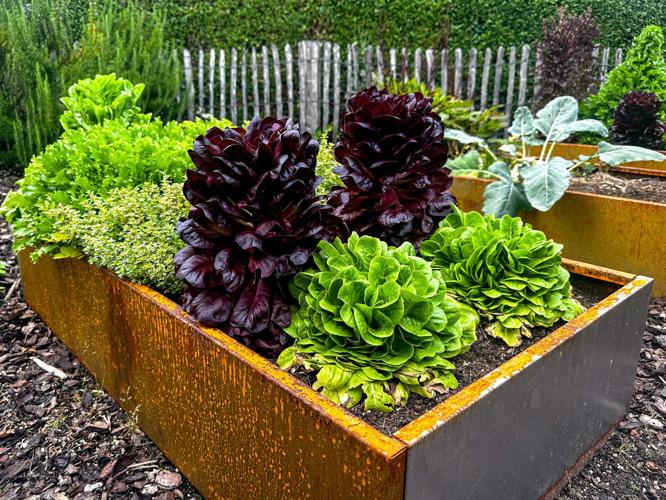
Raised beds can prevent smaller animals from accessing your plants.
Start with physical barriers
If there is one big takeaway from Volesky’s advice, it's this: Physical exclusion is one of the most reliable ways to protect a garden.
That means netting, fencing, in-ground barriers and other methods that make it harder for them to reach what they want.
Instead of treating all critters the same, it helps to block the most likely route in. Birds and deer come from above or outside the bed. Rabbits and squirrels work from ground level. Burrowing pests like gophers tunnel in from below.
Use netting carefully and correctly
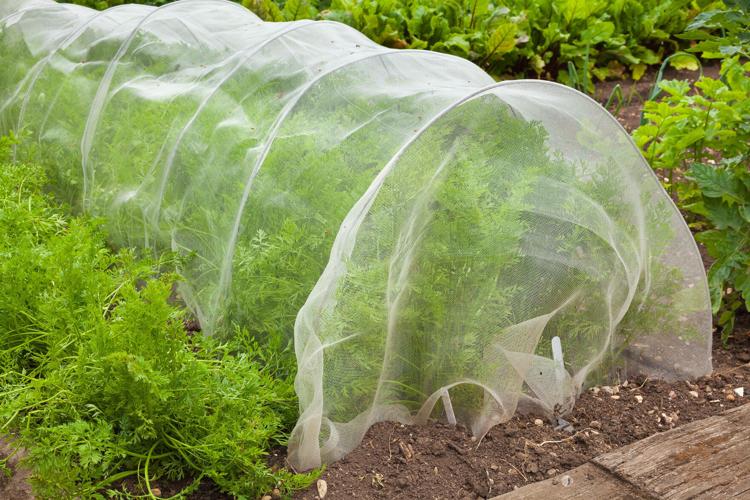
For above-ground garden raiders, netting can do a lot of heavy lifting. It can help protect fruits and vegetables from birds and small animals, but only when used the right way.
Volesky recommends choosing netting with the appropriate hole size for the pest you are trying to deter. If the openings are too large, smaller pests may still get through. But there is another important consideration here too: bird safety.
Kathi Borgmann, an ornithologist with the Cornell Lab of Ornithology, emphasizes that gardeners should choose netting carefully and install it in a way that reduces the risk of birds becoming entangled.
Keep the netting tight with posts, hoops, frames or other support system. Loose netting and larger openings are more likely to trap birds. Bird netting comes in different mesh sizes, and ½-inch mesh or smaller is generally accepted as safer for birds and bats.
Nets are not especially glamorous, but they work, especially during that important stage when berries, tomatoes or leafy greens are just about ready, and every bird in the neighborhood seems to know it.

Netting can help keep birds and deer from eating your vegetables.
Let raised beds protect your garden
Raised beds often are talked about for drainage, soil quality and easier harvesting on your back and knees, but they also can help with pest deterrence.
Raised garden beds lift the growing area off the ground, making it more difficult for some smaller ground pests to access plants in the first place. They won’t stop every determined visitor, but they can create a helpful first barrier when paired with other protective methods.
Protect beneath the surface
For burrowing animals, Volesky recommends in-ground fencing (chicken wire, hardware cloth or similar mesh) buried 6 inches deep, which can be an especially helpful solution.
The exact setup depends on the pest pressure in your area, but the guiding principle is simple: If the animal burrows, your barrier has to match their methods.
Reflective materials can help
Visual deterrents can have a place in your garden, especially if birds are a recurring problem. Reflective pinwheels, holographic flash tape and other light-catching materials can startle pests and make the space feel less predictable.
Volesky notes that movement is what gives reflective materials more of an edge. If you use them, move them around every so often so they are not always flashing from the exact same spot.
These methods are not as consistently effective as physical exclusion, however, and some animals may get used to them over time.
Experiment to find your best methods
If your garden keeps getting hit, Volesky encourages layered prevention. Healthy plants, good placement, thoughtful bed design, netting, fencing and selective visual deterrents all work better together than they do alone. Ask yourself where the problem is coming from, then build your response around that access point.
For more expert advice about local pest pressure, unusual garden damage or questions specific to your climate and growing conditions, Extension Master Gardeners (mastergardener.extension.org) are an excellent resource. Local guidance can help you make smarter decisions faster, and maybe save a few tomatoes in the process.


Apartment Therapy is dedicated to helping people transform their lives by providing everything they need to create beautiful, organized and healthy homes. For more information, visit .