

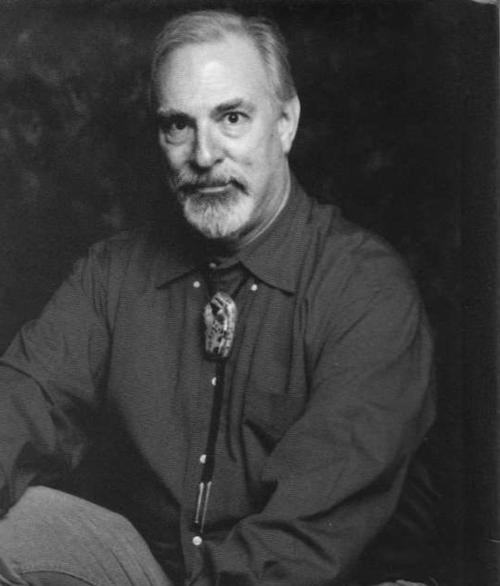
Brian Garfield, author of 鈥淒eath Wish,鈥� 鈥淗opscotch鈥� and some 70 other books, died of complications from Parkinson鈥檚 disease Dec. 29 at his Los Angeles area home. He was 79.
Garfield grew up in Tucson and was profoundly influenced by the country and the lore of the West.
He wrote his first book, the pulp Western 鈥淩ange Justice,鈥� when he was just 18. He continued to churn out Westerns while he attended the University of Arizona, where he received both his bachelor鈥檚 (1959) and master鈥檚 degrees (1963).
His 1972 book, 鈥淒eath Wish,鈥� was inspired by an act of vandalism on his sports car, Garfield鈥檚 wife, Bina, recalls.
鈥淗e was at a party at the bottom of the George Washington Bridge,鈥� she says. 鈥淗e had an old convertible and the top had been slashed. It was raining and he got soaked going home. He was so pissed at getting soaking wet that he said, 鈥業f I ever find who did this, I鈥檒l kill him.鈥� The whole idea of the book is what happens when you stay in that frame of mind.鈥�
People are also reading…
Garfield was catapulted to fame when 鈥淒eath Wish,鈥� the story of a mild-mannered architect who becomes a right-wing vigilante after his family is attacked, was made into a movie starring Charles Bronson.
The film missed the point, he often said. He was not happy about it, or any of its five sequels.
鈥淭he point of the novel 鈥楧eath Wish鈥� is that vigilantism is an attractive fantasy, but it only makes things worse in reality,鈥� he said in a 2008 interview. 鈥淏y the end of the novel, the character (Paul) is gunning down unarmed teenagers because he doesn鈥檛 like their looks. The story is about an ordinary guy who descends into madness.鈥�
Garfield was happier about the 1980 movie adapted from his Edgar Award-winning novel 鈥淗opscotch,鈥� which he wrote as an antidote to the violence in 鈥淒eath Wish.鈥� He penned the screenplay and co-produced the film, which starred Walter Matthau, Glenda Jackson and Sam Waterston.
Garfield鈥檚 books covered a wide spectrum 鈥� historical fiction, non-fiction, Westerns, mysteries and pure fiction. His 鈥淭he Thousand-Mile War: World War II in Alaska and the Aleutians鈥� was a finalist for the Pulitzer Prize in nonfiction. His non-fiction 鈥淭he Meinertzhagen Mystery: The Life and Legend of a Colossal Fraud鈥� was deeply researched and revealed new things about the man who conned Winston Churchill and others.
More than 20 million copies of his books have been printed and translated into several languages. Nineteen have been adapted into films, and several more are in development, said his literary agent, Judy Cottage.
He was never interested in being pigeon-holed into a genre.
鈥淓ach book is like a different course in school,鈥� his wife has quoted him as saying. 鈥淚 really don鈥檛 want to take the same course again and again. If the writer gets bored, heaven help the reader.鈥�
Garfield was an impressive personality to those who knew him. Often sporting an ascot or a bola tie, he had a quick wit, a hearty laugh and spun spellbinding stories for his friends.
Former Tucsonan Nancy Wolter knew Garfield for more than 50 years.
鈥淗is accomplishments never diminished, but his personality was what riveted one鈥檚 attention,鈥� she said. 鈥淲itty, honest, kind, yes, but a world-class raconteur, making you feel as if you were there when Glenda Jackson said 鈥榶es鈥� to starring in 鈥楬opscotch,鈥� or what it was like to research that incorrigible man Richard Meinertzhagen.鈥�
Garfield was born in New York City and moved to Tucson with his mother, the late artist Francis O鈥橞rien, when he was 7.
He attended the Southern Arizona School for Boys and fell in love with horses and the West, which led to his Western novels, a genre he stuck to early in his career.
He loved writing, but at one point he toyed with the idea of being a rock 鈥榥鈥� roll star. In the late 1950s, his band, the Casuals 鈥� later called the Palisades 鈥� was hot in Tucson. Eventually they had a top-40 hit, 鈥淚 Can鈥檛 Quit,鈥� appeared on 鈥淎merican Bandstand鈥� and toured the East Coast. But that tour was during the winter, and the national recognition they hoped for never came.
It wasn鈥檛 long before the members decided rock 鈥榥鈥� roll wasn鈥檛 their calling. Becoming famous really wasn鈥檛 what they were after anyway, Garfield said when the band got together for a reunion in 1992. 鈥淚 think we were all just anxious to postpone what we had to do,鈥� he said.
Garfield was fiercely interested in the environment and through the Garfield Foundation gave generously to projects that tackled such issues as global warming and biodiversity conservation. He was also a supporter of the UA and donated a number of his mother鈥檚 works 鈥� Francis O鈥橞rien was a prot茅g茅 of Georgia O鈥橩eefe and an accomplished artist 鈥� to the UA Museum of Art.
The 79-year-old Garfield is survived by his wife, Bina, and several cousins. Services are pending. In lieu of flowers, the family asks that donations be sent to one of his favorite charities, The Wildlife Waystation, an animal sanctuary in Sylmar, Calif. ()
Contact reporter Kathleen Allen at kallen@tucson.com or 573-4128. On Twitter: @kallenStar

Kathleen Allen
Reporter


