Border Patrol agent Lonnie Swartz will be tried again in the killing of 16-year-old Jose Antonio Elena Rodr铆guez.
Federal prosecutors announced their decision for a new trial on voluntary and involuntary manslaughter charges at a hearing Friday in Tucson鈥檚 federal court. The trial is scheduled to start Oct. 23.
Swartz, originally charged with second-degree murder in the 2012 shooting, was acquitted of that charge on April 23 by a jury of eight women and four men. U.S. District Judge Raner Collins gave them the option to consider voluntary and involuntary manslaughter if they were unable to reach a verdict. But after four days of deliberation, the jurors told the judge they couldn鈥檛 reach a unanimous decision on the lesser charges.
Assistant U.S. Attorney Mary Sue Feldmeier said she couldn鈥檛 comment on the government鈥檚 decision to retry the case. But Sean Chapman, one of two defense attorneys representing Swartz, said he wasn鈥檛 surprised.
People are also reading…
鈥淚t鈥檚 typical in a homicide case where there was a mistrial on some counts,鈥� he said.
Swartz admitted shooting through the border fence in Nogales in response to a group of rock throwers, but his defense attorneys argued it was self-defense and therefore justified.
The prosecution said Swartz didn鈥檛 have to use lethal force that night and instead could have taken cover or increased the distance between himself and the 22-foot fence as other agents at the scene testified doing.
Swartz fired 16 shots down into Mexico from three different locations along the fence. The teen, who was across the street from the base of a 14-foot cliff, was hit eight times in the back and twice in the head.
Two of the jurors said in interviews that the decision was 7-5 against a conviction for voluntary manslaughter and that they were deadlocked almost immediately after they started to deliberate.
For those against a conviction on the manslaughter charge, factors in their decision were the defense鈥檚 claim there were flaws in the investigation on both sides of the border, that Elena Rodr铆guez was part of a marijuana smuggling operation that night, and that the border is dangerous.
For those who believed the agent was guilty, it came down to what happened after Swartz fired the first three shots. In surveillance video, Swartz walks for about eight seconds along the fence, fires 10 more shots into Mexico, takes a step back, reloads and fires three more times.
It鈥檚 risky to predict what a new jury could decide based on another one鈥檚 decision, said Chapman, a former federal prosecutor and long-time defense attorney who frequently represents Border Patrol agents.
鈥淓ach jury is unique. It depends a lot on the complexion of the jury, its make up,鈥� he said.
Chapman previously defended Border Patrol agent Nicholas Corbett, who in 2007 shot and killed Francisco Javier Dominguez-Rivera west of Douglas. Witnesses told investigators the agent鈥檚 gun fired when he switched it from his right to his left hand as he pushed Dom铆nguez-Rivera to the ground. Corbett was twice charged with murder by the Cochise County Attorney鈥檚 Office, and both cases ended with hung juries. The county attorney鈥檚 office declined to prosecute a third time.
The first trial resulted in a deadlocked jury with nine jurors willing to convict and three against, Chapman said. The second trial ended 11-1 against a conviction.
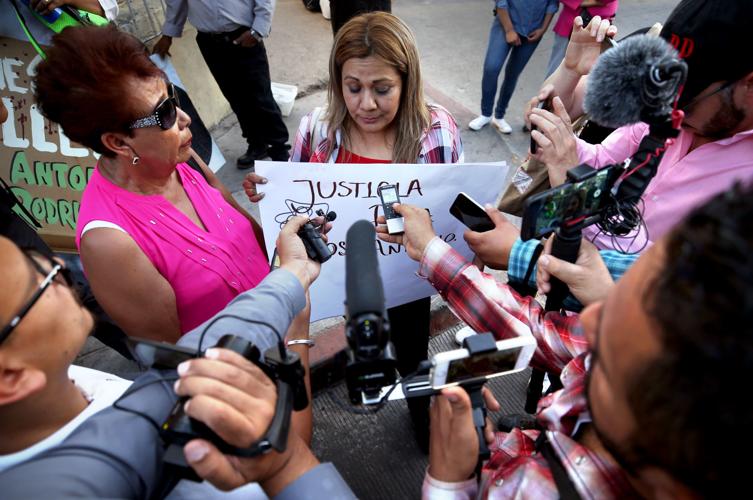
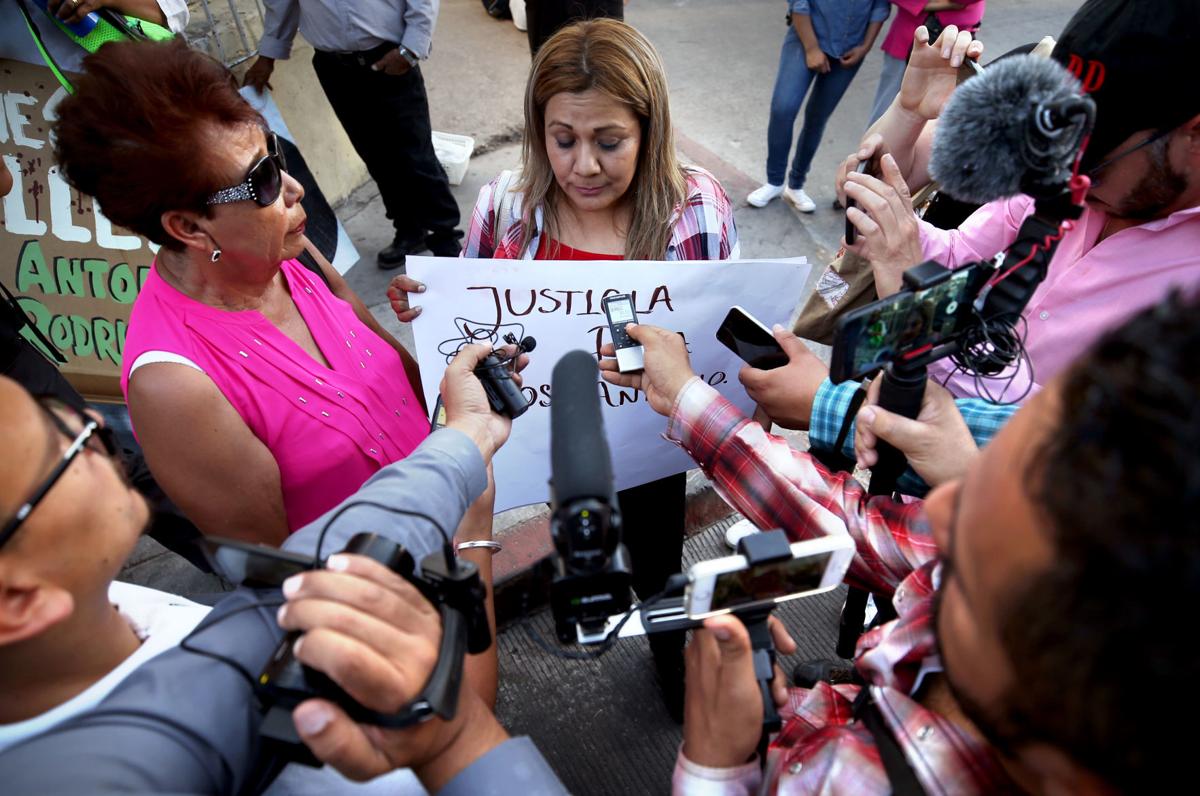
Araceli Rodr铆guez, Elena Rodr铆guez鈥檚 mother, said she was disappointed by the jury鈥檚 decision in April, but happy the government decided to retry Swartz.
鈥淭hey gave me and my family good news,鈥� she said after the hearing. 鈥淚鈥檓 happy for my children.鈥� She has two daughters and one other son.
鈥淓verything happens for a reason,鈥� Rodr铆guez said, 鈥渁nd we have faith everything is going to work out.鈥�
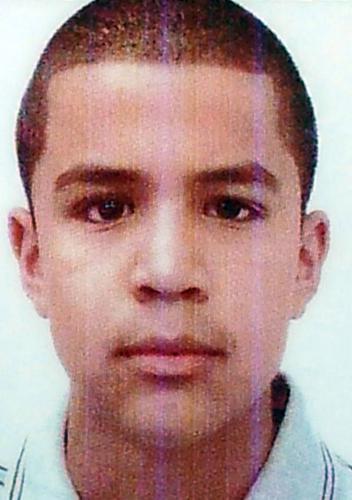
During a march held Thursday in downtown Nogales, Sonora, to the site of the fatal shooting, Rodr铆guez said she wanted people to remember her son as a happy boy who was good and liked to study.
Richard Boren, a volunteer with the Border Patrol Victims Network, said its members were relieved by the prosecutors鈥� decision. At the federal level it鈥檚 rare that a Border Patrol agent involved in a shooting is charged, he said. The Department of Justice 鈥渋s a big part of the problem of why impunity exists in cases of Border Patrol shootings. This one case is almost an anomaly that it happened at all,鈥� Boren said.
He said he hopes prosecutors do a better job humanizing Elena Rodr铆guez. 鈥淭hey let Lonnie Swartz take the stand and cry, but Jose Antonio is in the grave,鈥� he said, adding that they needed to show the jury who the teen was through other people.
鈥淢aybe historically agents keep getting away with it because the agents are not wrong,鈥� said Art del Cueto, president of the local chapter of the Border Patrol Union.
To the Border Patrol union, it has become a witch hunt. Protesters 鈥渄on鈥檛 care about justice or the justice system,鈥� he said.
鈥淭heir mind is set that a Border Patrol agent shot a poor child that wasn鈥檛 doing anything wrong, but the reality is that he was a teenager throwing rocks at agents, part of the criminal element, that鈥檚 the reality but no one wants to see it,鈥� del Cueto said.
The Border Patrol Union covers the agent鈥檚 legal fees through an insurance company it contracts with, Chapman said. Del Cueto didn鈥檛 have a concrete amount of how much it has cost so far, but he said it was close to a 鈥渕il.鈥�
鈥淩egardless of what we鈥檝e spent, it hasn鈥檛 even made a dent,鈥� he said, adding that the 鈥減ockets of the union run deep enough they can try this case 100 times. We stand by our guy.鈥�
Swartz, who was not in court Friday, has been on unpaid leave since his 2015 indictment. Before that, as is standard, the agent was on paid administrative leave.
鈥淚t鈥檚 been hard, stressful and financially devastating鈥� for Swartz, Chapman said.
Swartz has been working in construction to support his family, Chapman said. Swartz testified during the trial that he was a construction worker in Las Vegas before becoming a Border Patrol agent in 2010.
Attorneys have until the end of July to file motions on the case. Feldmeier told Collins she didn鈥檛 anticipate the second trial to be shorter than the first, which went on for 16 trial days.

Jose Antonio Elena Rodriguez

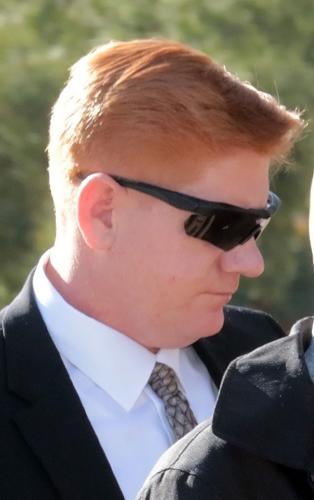
Lonnie Swartz
Contact reporter Perla Trevizo at 573-4102 or ptrevizo@tucson.com.