PHOENIX 鈥� The issue remains divisive, but dental therapists are closer to becoming a new, licensed profession in Arizona.
Over the objection of dentists, Arizona鈥檚 Senate health committee voted 4-3 Wednesday to move forward a bill that would establish dental therapists as 鈥渕id-level鈥� providers, who would play a role similar to that of nurse practitioners and physician assistants in the medical world.
The debate pitted dentists from the Arizona Dental Association against a coalition that includes tribes, the conservative Goldwater Institute and the Arizona Rural Health Association, among others.
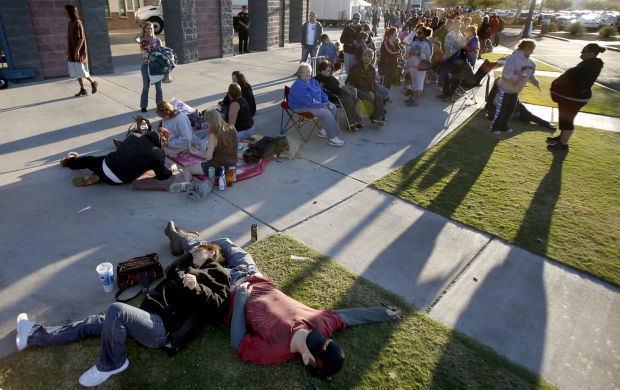
Neither side disputes the fact that Arizona鈥檚 oral health needs are immense. One need only look at lineups for charity dental events in Tucson and Phoenix. However, each side of the dental therapy debate disagrees on how to solve the problem.
People are also reading…
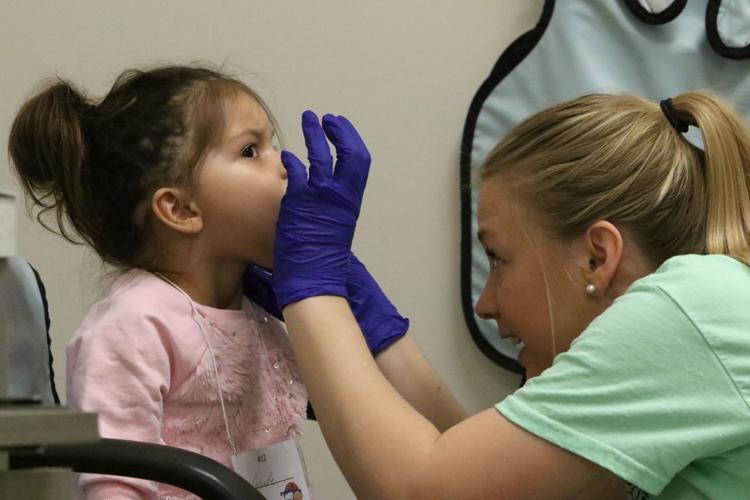
Supporters of allowing dental therapists say they could help provide a limited scope of dental procedures such as fillings, extractions and crowns at a lower cost.
A dental therapist would require less education than a dentist. Tribal leaders are interested in creating routes to enter the profession via community colleges, including Tohono O鈥檕dham Community College on the Tohono O鈥檕dham Reservation southwest of Tucson.
But critics cited patient safety as a concern.
Sen. Kimberly Yee, R-Phoenix, said she could not support a measure that seeks to address acute oral health needs with people getting less training than dentists.
Arizona Dental Association executive director Kevin Earle characterized adding dental therapists to solve oral health problems as 鈥渁 race to the bottom.鈥�
鈥淭o take a provider who is ill-trained and dump them into a dysfunctional system to me defies logic,鈥� Earle said.
Earle said the problem is not a lack of dentists, but a lack of access to them that could be alleviated with better dental policy and with help from the state鈥檚 Medicaid program, which is called the Arizona Health Cost Care Containment System or AHCCCS.
AHCCCS is a government program for low-income people, and not enough dentists are credentialed to accept AHCCCS payments, Earle said.
He said another problem is policy. While nearly 2 million Arizonans are covered by AHCCCS, adults in the program only recently have been able to receive dental care, and preventive care isn鈥檛 covered. They can receive $1,000 per year for emergency dental services.
Earle鈥檚 organization supports proposed legislation that would add another $1,000 per year for pregnant AHCCCS enrollees 鈥� an amount that could be used for preventive care.
The economic factors that keep dentists from practicing in rural areas will also exist for dental therapists, the dentists said.
鈥淲hy would we be so against dental therapists?鈥� Scottsdale endodontist Dr. Robert Roda said. 鈥淚t doesn鈥檛 work.鈥�
Roda said he鈥檚 concerned that three years of dental therapy training would not be adequate to qualify therapists to perform surgical procedures.
Yet even if dental therapy doesn鈥檛 pass this legislative session, the issue is not likely to go away, said Sen. David Bradley, D-Tucson, before voting 鈥測es.鈥�
鈥淭he practice of medicine is changing rapidly,鈥� he said.
Bradley has led a legislative oral health task force. When the issue of dental therapists first came before a legislative subcommittee in December 2016, he voted 鈥渘o.鈥� He still doesn鈥檛 like the name 鈥渄ental therapist鈥� and thinks there could be a better description of the job.
But he thinks the dentists and the Dental Care for Arizona coalition need to talk to one another and get a 鈥渃learer idea of where we are going.鈥�
Senate health committee chair Nancy Barto, R-Phoenix, has long supported including dental therapists as a profession in Arizona, as they already are in Minnesota and on tribal lands in Alaska. Maine and Vermont are moving forward with plans to add dental therapists and other states have pending dental therapy legislation.
Barto calls the creation of dental therapists a 鈥渇ree market solution,鈥� and said she sees no reason to stand in the way of Arizonans who need affordable dental care.
Among those who spoke in favor of dental therapists at Wednesday鈥檚 hearing was Dr. Dan Derksen, a family physician, health policy expert and professor of public health at the University of Arizona.
Derksen said oral health problems in Arizona are disproportionately affecting rural areas, tribes, Latino populations and the elderly. Charity dental events are not the best way to meet those needs, Derksen said.
People without dental care are vulnerable to heart and kidney disease, diabetes, high blood pressure and even premature death.
鈥淚n many parameters for oral health we鈥檙e already close to 50 out of 50,鈥� ranking near to worst among the states, he said. 鈥淭his race to the bottom? We鈥檙e already there.鈥�
Contact health reporter Stephanie Innes at 573-4134 or email sinnes@tucson.com. On Twitter: @stephanieinnes