Let鈥檚 agree that we need minerals, and that mining employment is good for Arizona 鈥� a $1.25 billion payroll across the state each year. And, we reckon, there鈥檚 no denying mining鈥檚 picturesque historic appeal 鈥� burros, pickaxes, ghost towns.
The real legacy is another thing entirely, though:
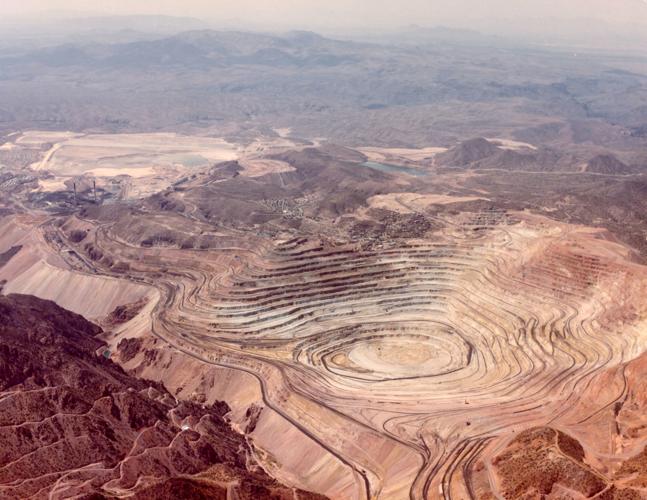
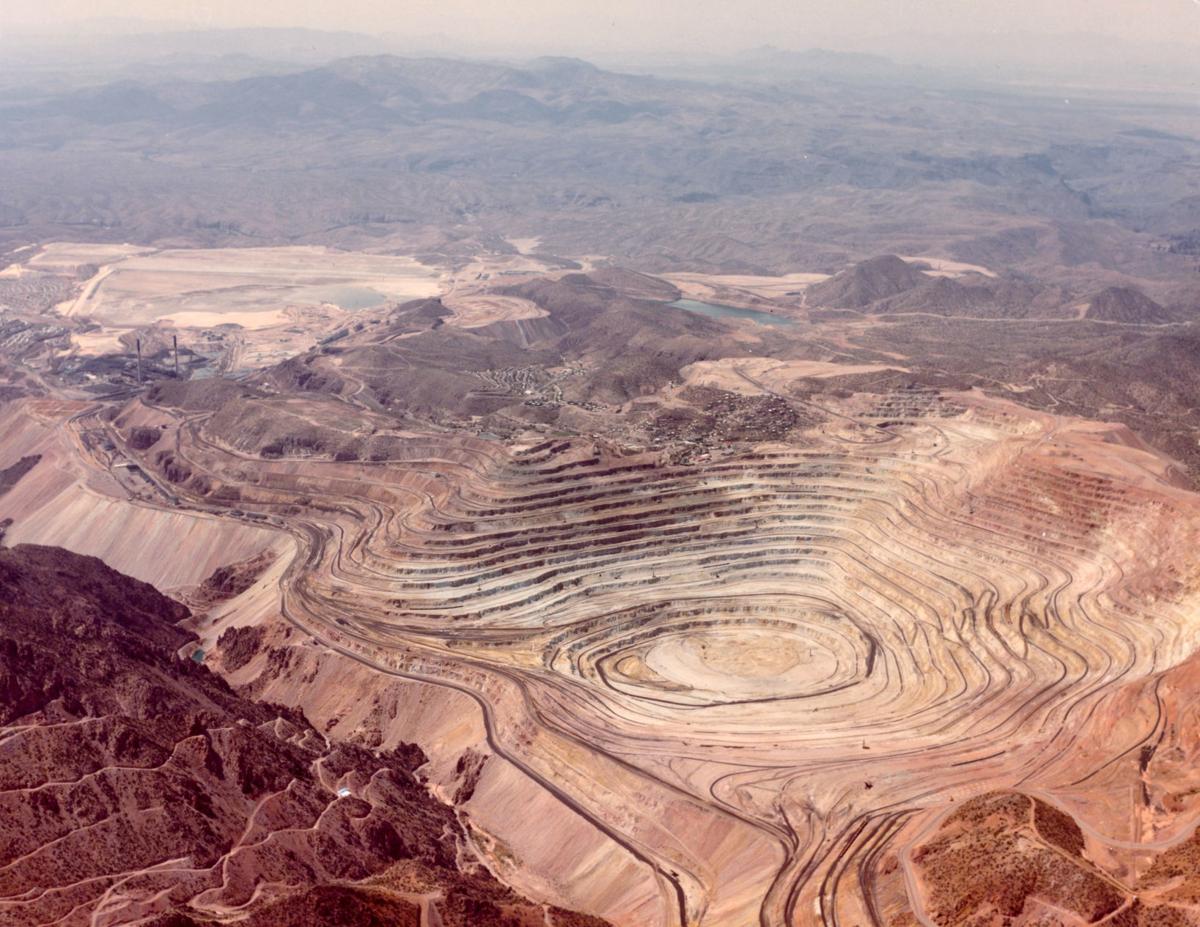
It鈥檚 at least 120 square miles of wrecked landscapes across the state. Yawning pits, ominous mountains of tailings. It鈥檚 100,000 abandoned mines, with an unknown number leaking acid drainage. State officials say there could be as many as 5,000 of those, but then, who鈥檚 checking?
It鈥檚 170.4 million pounds of waste rock with potential toxic drainage, generated in just the most recent two years tallied in the EPA鈥檚 national inventory. It鈥檚 state and federal legislators who take campaign money from mining interests, as if that were OK. Sen. Jeff Flake got at least $10,300 in 2016 alone, and Sen. John McCain, $41,800.
People are also reading…
Huge new mines threaten wildlife, scenery and water resources on our national forests and other public lands: In the Santa Ritas near Tucson, in the beautiful Patagonia Mountains south of there, on Oak Flat near the town of Superior, around the Grand Canyon and in many other locales.
Their corporate proprietors are often based in Australia, Canada, China or Britain. And they pay no royalties to the landowners 鈥� you and me 鈥� when they pull billions of dollars in ore out of our federal public lands. Is your congressional delegation fighting to change that absurd law, passed during the Ulysses S. Grant administration? Ask. Because these aren鈥檛 the old-timey days, though many Arizona legislators, both state and federal, pretend so.
They hide behind the industry鈥檚 鈥渏obs-jobs-jobs鈥� mantra, as if sane regulations aren鈥檛 compatible with profitable mines and high employment. We expect food vendors to meet health standards. We require contractors to design safe buildings and not leave poisoned piles of construction waste behind. We don鈥檛 say 鈥渏obs-jobs-jobs,鈥� and let them get away with it.
When it comes to getting financial guarantees from the mining industry to assure responsible behavior, 鈥淎rizona鈥檚 at the bottom of the list,鈥� consulting engineer James Kuipers, who has worked in the field for more than 30 years, told us recently.
鈥淲hatever the mining companies want the state Legislature to do, they鈥檒l do,鈥� Roger Featherstone of the Arizona Mining Reform Coalition has concluded. 鈥淎rizona鈥檚 the bottom of the barrel.鈥�
One dated study 鈥� the last time anyone looked 鈥� found that Arizona鈥檚 cleanup estimates may be billions of dollars short of realistic. And if a mining corporation bankrupts, it can leave a colossal mess behind for taxpayers to pay for or suffer with.
Other states with strong mining industries have made responsibility rather than complacency a priority.
- California requires that if you dig a big mine hole, you have to put up the money to guarantee that you will backfill it when you鈥檙e done. Or you don鈥檛 mine.
- Montana requires enough money 鈥� beforehand, not after the fact 鈥� to ensure that mine lands are fully reclaimed. Local tax burdens that a new mine can create are paid for by the mining company.
- New Mexico requires that mine sites be restored so that they provide 鈥渁 self-sustaining ecosystem appropriate for the life zone of the surrounding areas鈥� and 鈥渨ithout perpetual care.鈥�
The anti-government Fraser Institute鈥檚 survey of mining executives reliably names Arizona among the world鈥檚 鈥渢op ten most attractive jurisdictions for mining investment.鈥� Guess who鈥檚 getting shafted. Right: You are!

Melanie Lippert

Stephen Nash
Melanie Lippert is a staff writer at Atlantic News/Features Inc. Stephen Nash is the author of 鈥淕rand Canyon For Sale: Public Lands versus Private Interests in the Era of Climate Change.鈥�