


PHOENIX 鈥� Under yellow tea lights in the backyard of a house-turned-office space in north Phoenix, Latino startup owners discussed a major parallel between being an immigrant and an entrepreneur: taking a risk for a better future.
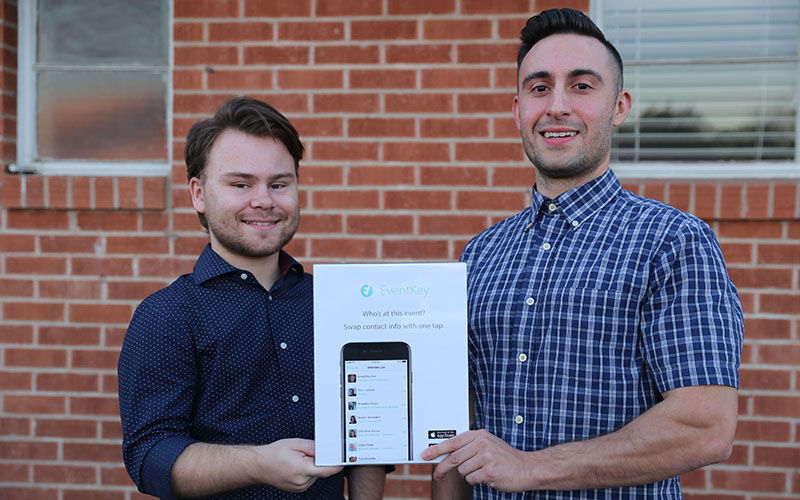
鈥淚t almost brings me to tears I鈥檓 so glad to be an American, it鈥檚 a blessing,鈥� said Rafael Testai, CEO and co-founder of EventKey, an app he created to help entrepreneurs better network at professional events by displaying attendees鈥� background and contact information. 鈥淢y inspiration is that I鈥檓 not going to waste a chance that was given to me to be an American citizen.鈥�
When he was 13, Testai鈥檚 family emigrated from Buenos Aires, where he said they could not make a living even on his mother鈥檚 doctor salary. He launched EventKey 5 陆 months ago and said so far it鈥檚 been well-received by many Latino professionals.
People are also reading…
鈥淚t鈥檚 kind of like it鈥檚 one of us trying to make it, and who doesn鈥檛 want to support somebody that鈥檚 from your family basically?鈥� he said. 鈥淚t鈥檚 that whole family mentality that Hispanics have. We want to watch each other succeed and we want to push each other forward.鈥�
According to a study by the Ewing Marion Kauffman Foundation, immigrants are almost twice as likely to start a business in the U.S. compared to native-born citizens. Hispanics own more than 123,000 businesses in Arizona, according to the September 2016 鈥淒atos鈥� report from the Arizona Hispanic Chamber of Commerce.
The March 1 event featured a panel of three Latino startup owners and attracted about 50 attendees. It was organized by Collectivo, a networking group for Latino marketing and communications professionals.
Along with Testai, the other two speakers also launched their businesses a few months ago. Vanessa Nielsen created a subscription-based service called Sol Book Box that delivers Spanish-language children鈥檚 books monthly to families wishing to teach their children Spanish.
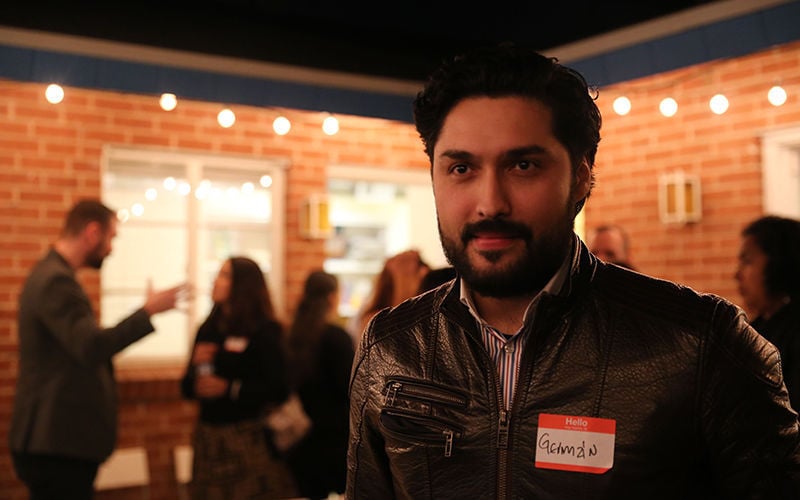
German Urrego founded DialDoc, a Skype-like service that aims to inexpensively connect doctors to patients seeking medical advice, even if they don鈥檛 have insurance.
Urrego, an immigrant from Colombia, said the idea was born out of seeing many of his friends go without care when they were sick because they were undocumented immigrants.
鈥淭hat鈥檚 what really resonated with me throughout my experience in the United States so I said, 鈥極ne day that鈥檚 what I want to focus everything that I do,鈥欌�� he said. 鈥淲hen I got done doing this I immediately called my buddies and I said, 鈥楧ude, your mom can now finally see a doctor!鈥欌��
A Hispanic-focused software company, Oye! Business Intelligence, won PHX Startup Week last week. The company developed advanced algorithms to help businesses and government agencies better target Latino audiences by analyzing online conversations surrounding that brand. Eric Diaz, the Chief Financial Officer, is also in Collectivo鈥檚 leadership and attended the March 1 panel.
He originally started his business in Columbus, Ohio, but decided to expand to Phoenix five years ago.
鈥淚t鈥檚 a lot cheaper to start your business. It鈥檚 a lot cheaper cost of living and you have a lot of talented folks that come from the Arizona State (University) system so that鈥檚 a big reason why my company is here,鈥� he said. 鈥淧hoenix is 40 percent Hispanic so it really gives us a lot more street credibility than a market at only 4 percent like Ohio. 鈥�
Cesar Cordova, a supervisor at Arizona Public Service utilities company who was in the audience, said before he started at APS he owned his own 鈥渇ood business鈥� to earn money for graduate school.
鈥淎t some point, even though I work for a company I would like to have enough expertise to set up my own consulting business,鈥� he said. 鈥淔or me, it鈥檚 always the perspective of anyone who鈥檚 speaking up there because they鈥檙e dealing with whatever the issue might be, with what they鈥檙e facing at the time.鈥�
The event鈥檚 topic shifted toward political leadership when Noah Dyer, a Democrat running for governor in 2018, told the group in Spanish he wants to be an inclusive governor for Arizona鈥檚 diverse population.
鈥淚 think politically a lot of Hispanics feel disenfranchised, and it鈥檚 obviously a community that鈥檚 very important to me,鈥� he said.
The three entrepreneurs on the panel said they anticipate the future to be wrought with challenges and steep learning curves.
But Urrego, of DialDoc, said his community keeps him motivated.
鈥淭here is nothing stronger than the heart of an immigrant,鈥� he said. 鈥溾�� Everyone out there that goes out and grinds and tries to make something, they never give up. It鈥檚 inspiring.鈥�


