

PHOENIX 鈥� Targeting retail cheaters, a proposed state law would make it a crime to possess software or equipment that, in essence, can lie about sales.
The legislation, SB 1386, would make it a felony to purchase, install or use any 鈥渁utomated sales suppression device or service鈥� with the intent of cheating the state out of taxes. The offense would carry a presumptive sentence of 18 months in state prison for a first offense.
Those found guilty also could face having to repay what they owe, with interest and penalties, as well as fines of up to $100,000, or $500,000 for corporate offenders.
But that pales in comparison to the $350 million that the National Conference of State Legislatures estimates Arizona loses every year to this kind of cheating. That鈥檚 close to one dollar out of every eight the state collects now.
People are also reading…
Arizona has a 鈥渢ransaction privilege tax,鈥� placing the legal burden on sellers to collect the 5.6 percent state levy on all sales as well as any applicable local taxes.
In general, the only thing the Department of Revenue gets and requires is a report of taxable sales submitted on a state-prepared form, said Ed Greenberg, its spokesman. Taxes owed are to be submitted with the reports.
But the department is allowed to ask deeper questions and audit a company鈥檚 books and equipment if there is reason to suspect something is amiss.
That鈥檚 why the legislation targets what are known as 鈥渮appers鈥� or 鈥減hantom ware,鈥� devices and programs that can mask cheating.
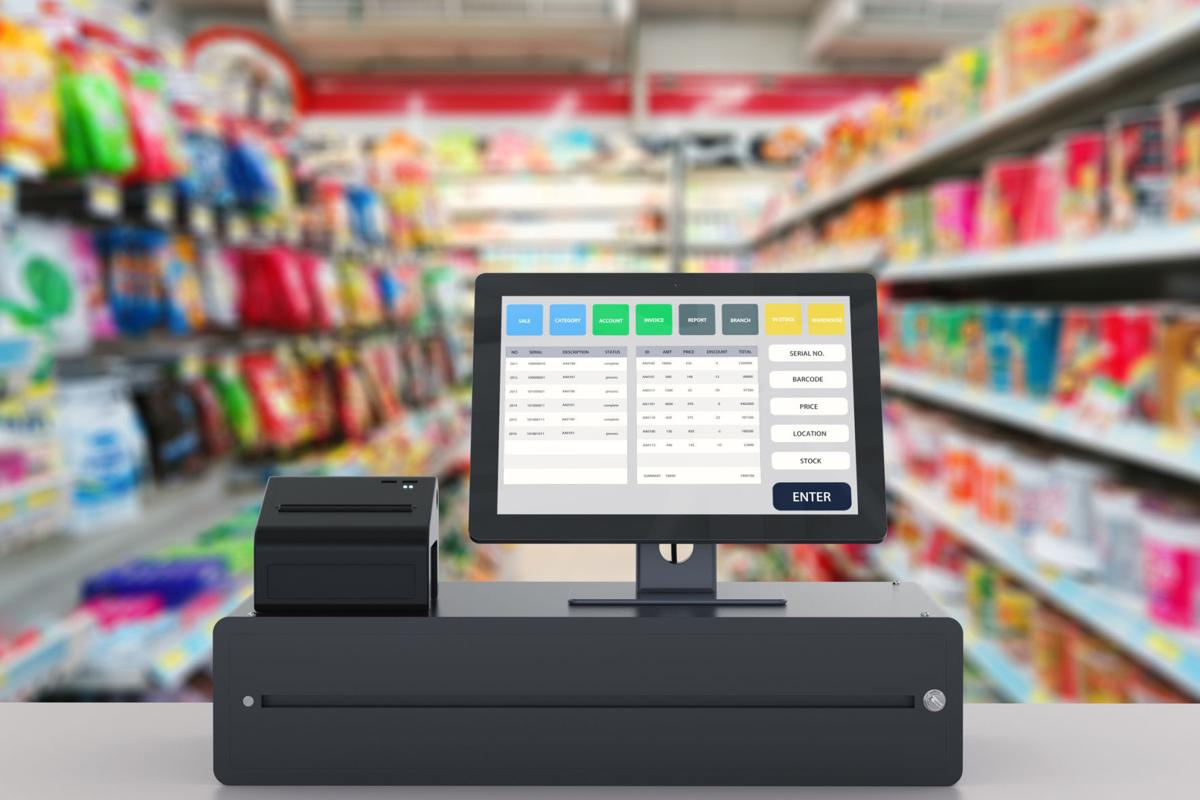
鈥淪ales-suppression software is designed to enter a business鈥檚 point-of-sale system and delete and/or modify selected sales,鈥� Greenberg explained.
鈥淵ou may purchase a $10 item,鈥� he said. 鈥淚t鈥檚 deleted and then it comes up (on the official store records) as a $2 item.鈥�
Meanwhile, the customer has paid the additional 45 cents in state sales tax on the $8 difference.
But the store pockets that rather than forwarding it to the state. A cursory check by state tax auditors of the store鈥檚 books would detect no problem, showing only the $2 sale.
鈥淚 see this (legislation) as a deterrent,鈥� said Sen. David Farns-worth, R-Mesa, sponsor of the bill.He said some businesses, perhaps looking for a way to boost the bottom line, 鈥渕ight think twice.鈥�
It鈥檚 not only the stiff penalties and the possibility of prison time.
The legislation gives half of any fines collected to the Department of Revenue to develop new 鈥渁nalytics.鈥� These are software programs designed to examine the sales-tax returns of companies and alert auditors to those which appear to have anomalies that might indicate a tax cheat.
That, in turn, could trigger auditors to go out and have a closer look, including into a company鈥檚 computer.
The other half of anything found would go to the Attorney General鈥檚 Office to prosecute tax-fraud cases.
Greenberg said legitimate businesses should have no problem with the legislation.
Cheating by businesses 鈥渞educes the tax revenue collections and places more of a tax burden on our honest, law-abiding taxpayers of our state,鈥� he said.
The measure has not yet been set for a hearing.


