One of Tom Meixner鈥檚 colleagues tried to warn University of Arizona officials as recently as last month about the potentially lethal threat he thought Murad Dervish posed.
The university鈥檚 response was, obviously, inadequate.
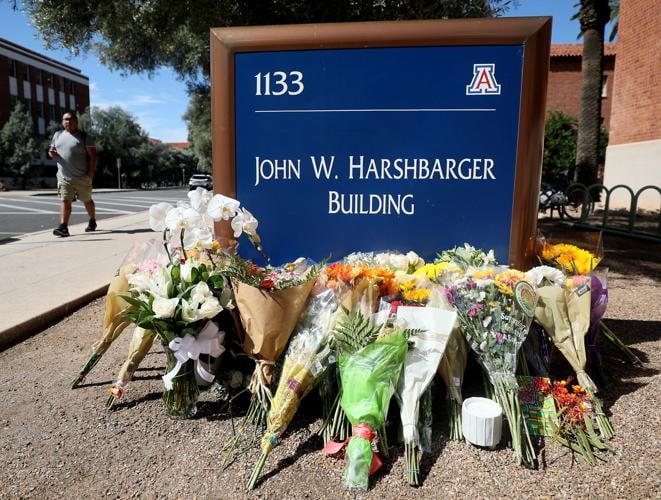
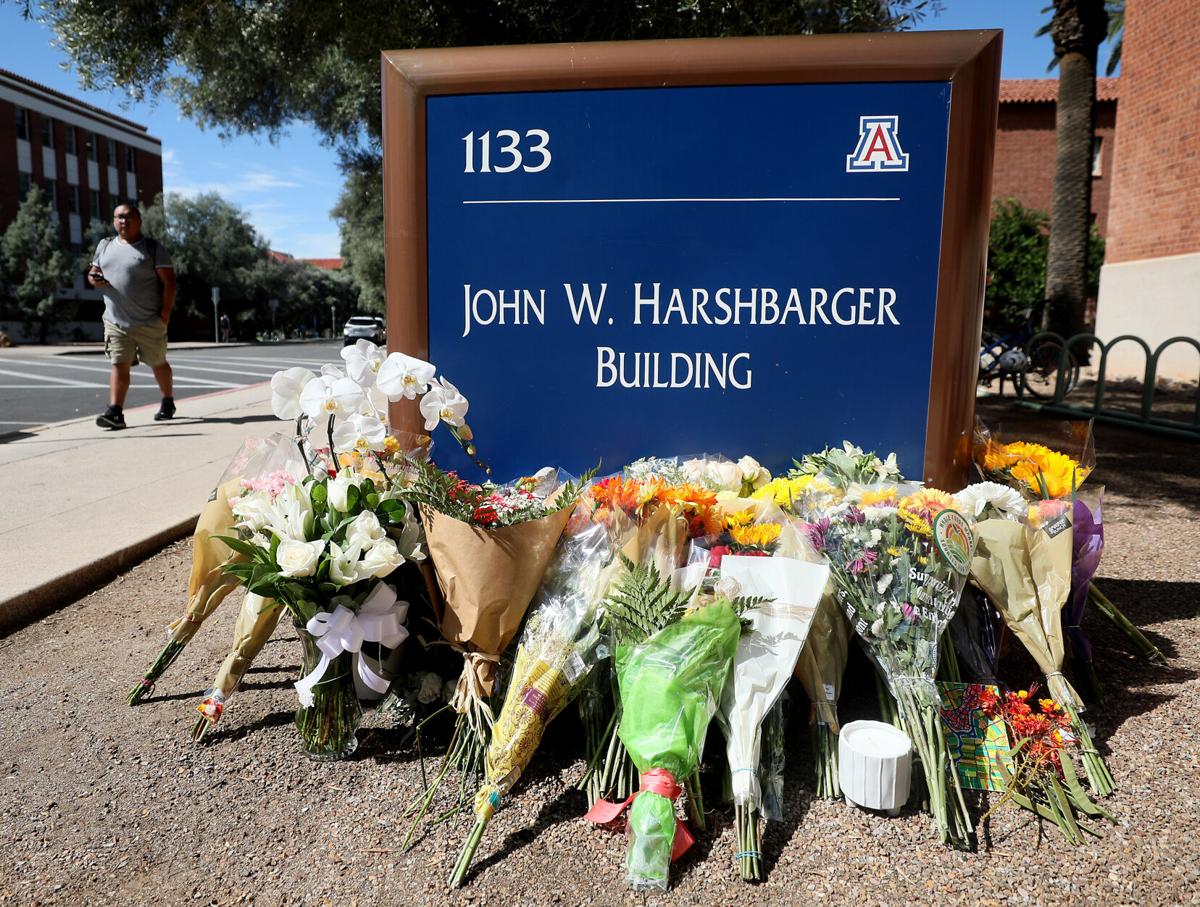
Meixner, the head of the Department of Hydrology and Atmospheric Sciences, paid the price himself Wednesday when he was shot and killed at the Harshbarger Building on campus where he worked. Dervish, who was expelled from the university after being a graduate student there for part of last year, is charged with first-degree murder in Meixner鈥檚 death.
I knew Meixner from interviewing him and interacting with him on Twitter 鈥� enough to appreciate him as the good soul and enthusiastic contributor to the Tucson community that so many friends and colleagues have described the last few days.
People are also reading…
What happened Wednesday was the scenario that Christopher Castro, the associate head of the department, worried about in emails with Meixner, other colleagues and university officials as recently as Sept. 6. Castro and others had received continuing harassment from Dervish but apparently little success prompting action, say the emails, obtained by the Star.
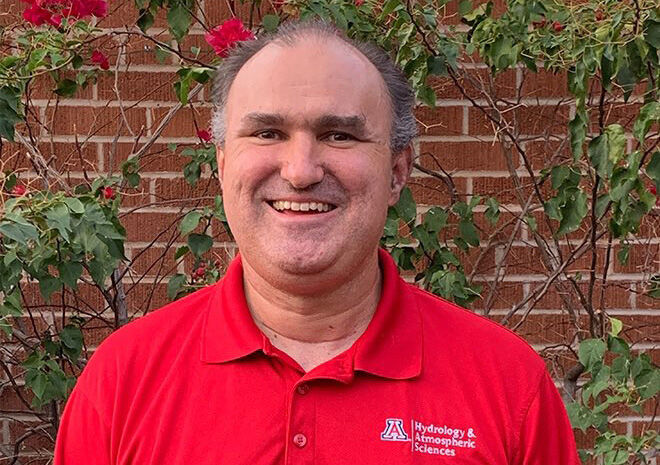
Thomas Meixner
鈥淭he University should be more proactive to pursue protection for its employees, including a blanket order of protection that would apply to the whole department,鈥� Castro wrote that day to Meixner and others. 鈥淭hen OGC (the university鈥檚 Office of General Counsel) should handle all the process of pursuing charges against him 鈥� not the affected university employee individuals.鈥�
He concluded, 鈥淔inally, the University needs to be more cognizant that failure to be more proactive may present a liability issue, should the unthinkable and worst possible outcome of this situation come to pass,鈥� he wrote. 鈥淚f OGC and UAPD (the university鈥檚 police department) don鈥檛 get that, then maybe the Dean or the Provost will.鈥�
Apparently they didn鈥檛 get that, though the university has not yet responded to a set of questions sent Friday about their response to the situation.
In the spring semester, when Dervish was still on campus, the university switched the location of the department鈥檚 classes, out of the Harshbarger Building, hydrology professor Larry Winter told me.
鈥淭here was a sort of atmosphere of danger,鈥� said Winter, a former department head. 鈥淚t made it hard to teach, hard to be a student, hard to listen.鈥�
This fall, no special protection was offered to the people working in the building.
鈥淲e could have been better protected during that time,鈥� Winter said. 鈥淲e were completely vulnerable.鈥�
Even an exclusionary order that the university had drawn up against Dervish had not yet been served on him. Such an order couldn鈥檛 stop him from entering campus, of course, but it would give police leverage for responding to him and show a level of effort at protection.
Wednesday鈥檚 attack was also the climax of an escalating, hellish semester so far for the department. In August, a graduate student, Jetal Agnihotri, died when she was swept away and drowned in a flash flood in Utah鈥檚 Zion National Park. On Sept. 14, another graduate student was found dead by suicide in the Harshbarger Building. Then on Oct. 5, Meixner was shot and killed.
鈥淭here鈥檚 a risk the department can鈥檛 go on at this point,鈥� said Mike Leuthold, who is regional weather modeler and program manager in the department.
鈥淭he university is proceeding like they鈥檒l clean up the office and everybody will go back again,鈥� he said. 鈥淚 wouldn鈥檛 be surprised if we lost the whole front office staff. I don鈥檛 know if they could continue.鈥�
Confrontations came quickly
Dervish came into the department in the fall of 2021, a 45-year-old master鈥檚-degree student with a job in the department as a teaching assistant. Before long he was in conflict with faculty.
An email from him, filed in Justice Court by Castro in support of a request for an injunction against harassment, shows that by December, Dervish was defending himself from accusations about an unexplained Nov. 3 鈥渋ncident鈥� that apparently led to his firing from the teaching job.
鈥淵ou may have noticed that nowhere in my contract nor the links it point to, does it discuss behavior as being a reason to be terminated,鈥� Dervish wrote. 鈥淔or these reasons, I think I legally have an excellent case for wrongful termination.鈥�
He went on: 鈥淎gain, to be clear, I am still amenable to making amends to any and all affected parties that I offended and/or injured by my behavior, by any and all reasonable means. I ask that you give me that chance so that I may continue in my position and continue my education that I have just started.鈥�
By January, it appears, something else had happened. Dervish wasn鈥檛 so diplomatic in a Jan. 17 email to Castro: 鈥淲hat do you and that piece of s*** **** trash Meixner think, I鈥檓 just gonna slink away into a corner while you **** me in the * **?!! This incident is COMPLETELY HIS FAULT.鈥�
Eventually in the spring, Dervish was expelled, but this summer he continued sending alarming emails to Castro and others in the department.
Castro confirmed the authenticity of the emails and injunction materials he filed. He happened to be out of state Wednesday but otherwise would have been a likely target. He had a class at 2 p.m. when the attack occurred.
鈥淚 did my due diligence to report all of that to the appropriate University of Arizona reporting authorities,鈥� he said. 鈥淭hose offices were the Dean of Students, the Office of General Counsel, and the University of Arizona police.鈥�
Lack of urgency
It鈥檚 not unusual for a big school like the University of Arizona to have students or former students who harass or threaten people, causing fear and worry. In fact, Dervish wasn鈥檛 the only former student sending threatening emails to faculty at the Harshbarger Building.
Adam Printz, an assistant professor of chemical and environmental engineering, said his department has also been receiving threats from a 鈥渧ery troubled鈥� former student for years.
鈥淭his guy鈥檚 been writing emails to us for a long time,鈥� Printz said. 鈥淭hey鈥檙e getting more and more threatening.鈥�
Printz鈥檚 department is located in the same building as hydrology and atmospheric sciences, and he knew about the threats from Dervish, but he didn鈥檛 know Dervish鈥檚 name or what he looked like, Printz said. When his department sought advice from the University of Arizona police about the man threatening his department, what they got was not very helpful, Printz said.
鈥淲e thought they were going to train us,鈥� he said. 鈥淭heir advice was to block his emails and send a cease and desist letter.鈥�
Printz was working on the same floor where Meixner was shot Wednesday. He heard it all, knew what it probably was, but was in disbelief until hearing the sirens and the building鈥檚 alarm go off. He didn鈥檛 know what to tell students.
鈥淚鈥檓 the one who鈥檚 supposed to know what to do, and I had no idea,鈥� he said. 鈥淭he lack of systems in place was something I had been complaining about. To see it come to a head in this way is just the worst.鈥�
A violent history
All of this will sound familiar to people who have been around the university or Tucson for a while. We remember the attack at the Nursing School in 2002 that left three professors dead. A student with a deep persecution complex, who felt he was being treated unfairly by the faculty, carried it out. You can see the outline of a pattern.
What could be different about Dervish is the record he has of crime and violence. By simply emailing the San Diego County District Attorney鈥檚 Office I was able to find out that in 2011, Dervish was convicted of 鈥渆lder abuse causing great bodily injury and a weapons allegation.鈥�
He was initially sentenced to a year of incarceration plus five years of probation, with a five-year sentence that was stayed. Dervish violated probation, though, and in 2014 was sentenced to the five years in prison.
This is on top of a DUI and an assault case in Pennsylvania in 2005, and an order of protection taken out against him in San Diego in 2020, which possibly should have prevented him from buying a gun. His father told my colleague Jamie Donnelly that Dervish has been in prison three times.
The harassment injunction that Castro obtained never was served on Dervish, but he was successfully served with an eviction notice in recent days. That, too, should ring a bell. Constable Deborah Martinez was killed Aug. 25 along with two others by a man she was serving with an eviction notice. The gunman died by suicide.
Inaction will be costly
Of course, Meixner鈥檚 murder takes place in a social context that makes it less shocking and harder to prevent. We live in a society with pervasive mental disturbances, violence that is modeled constantly, and easy access to guns.
Winter wishes we had red-flag laws that allow police to seize guns from those posing a threat of violence and other ways to more easily intervene before violence happens.
鈥淭his fellow Murad Dervish was just a really bad piece of work,鈥� Winter said. 鈥淚t was a terrible accident of fate that he ended up in our department.鈥�
What could the university have done? Well, use your imagination, and when doing so, realize that it was only luck that this particular shooter did not try to kill more people.
Almost anything is less costly for a university with a $2 billion budget than losing a beloved and expert faculty member 鈥� not to mention any possible legal settlement that may result from Meixner鈥檚 death.
But what I imagine guiding the university鈥檚 decision of what to do is a focused vetting of the students or former students who may pose a serious threat on campus. A day鈥檚 investigation into Dervish鈥檚 background would likely have turned up serious cause for concern, considering his ongoing pattern of threats, harassment and violence dating back years. Knowledge of the eviction could have raised alarms.
The university has not made it clear yet what it did in responding to the demands by Castro and others to do something about Dervish.
But it鈥檚 clear from Meixner鈥檚 death what the university didn鈥檛 do: Enough.
Chief Paula Balafas of the University of Arizona Police Department shared information on the shooting death of a male professor on Oct. 5. The suspect, 46-year-old Murad Dervish, was arrested by the Department of Public Safety near Gila Bend three hours after the shooting.
Video by Jesse Tellez / 51黑料网.
Contact columnist Tim Steller at tsteller@tucson.com or 520-807-7789. On Twitter: @senyorreporter
In this Series
Collection: Updates on the Oct. 5 shooting at UA

Tim Steller
Columnist

 Tim Steller's column: A UA prof prepared to be shot on campus and barely avoided it