For the past decade, scarcity was the U.S. housing industry鈥檚 most powerful marketing tool. The less there was to buy, the greater the urgency to keep bidding, even as prices hit record highs.
Demand was supercharged by record-low COVID-19 pandemic-era mortgage rates that sparked bidding wars and sent prices soaring, crushing affordability. Recent estimates of the national housing shortage ranged from 1.5 million to 7.3 million units.
However, a new era may be dawning in which a shortage of buyers, not homes, will be the defining feature, according to a new white paper from the Mortgage Bankers Association. Starting in 2030, deaths in the U.S. are projected to outnumber births, meaning that without immigration 鈥� now throttled by the Trump administration鈥檚 crackdown 鈥� the population will begin to shrink, according to the Congressional Budget Office.
People are also reading…
鈥淭he next decade is likely to be quite different,鈥� said Mike Fratantoni, the MBA鈥檚 chief economist and a co-author of the paper. 鈥淲e鈥檙e moving from a time of rapid household formation to one where there鈥檚 a slowdown.鈥�
That outlook is far from certain given variables such as a future administration that could decide to expand immigration and a stronger labor market that could boost household incomes.
For now, affordability remains the market's biggest constraint. Many young adults don鈥檛 have the money to buy a home and, in some cities, struggle to rent without roommates or financial help from family.
Affordability became a rallying cry so loud, it bridged the political divide. Last month, Republicans and Democrats worked together to pass a bipartisan housing bill designed to address the shortage in affordable housing and lower costs for buyers and renters. It became law Saturday without Donald Trump鈥檚 signature or White House fanfare after he abruptly canceled its signing over a stalemate on a voter-ID law he championed.

Now, the forces that fueled the housing market frenzy are reversing.
Mortgage rates, in the mid-6% range, aren鈥檛 likely to return anytime soon to the sub-3% levels of late 2020. The country鈥檚 fertility rate fell to a record low. Baby boomers, the oldest of whom are 80, are poised to start adding to supply as they downsize or die. In addition, immigration is severely restricted and deportations cut net international migration by half last year and likely even more this year.
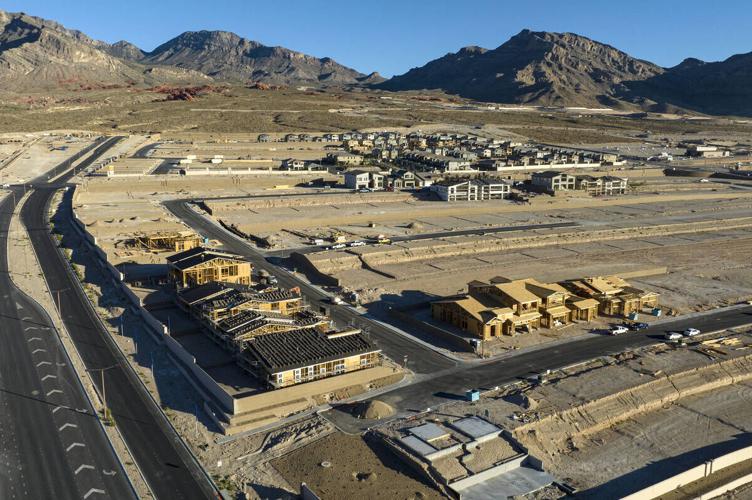
Many builders have too much inventory, especially in Sun Belt states such as Texas, Arizona and Florida, where they鈥檝e been most active. Multifamily completions hit a 38-year high in 2024, flooding the market just as demand cooled. The rental vacancy rate rose to 7.3% last year from 5.6% in 2022, according to the MBA report.
Fratantoni and his co-authors warn that a shrinking population will upend conventional thinking about 鈥渉ousing supply adequacy鈥� and raise doubts that 鈥渢he supply shortage that defined the post-2010 housing narrative will remain the right framework for the decade ahead.鈥�
National house prices are starting to adjust. After rising 55% from 2020 to 2025, a shrinking pool of potential buyers has the MBA projecting growth of only 1% in 2026 and flat home prices over the next two years.
Even if it's not a recipe for a broad market crash, continued construction could cause values to drop in some places. For the mortgage industry, oversupply and falling prices would mean fewer loans for new purchases and less demand for refinancing.

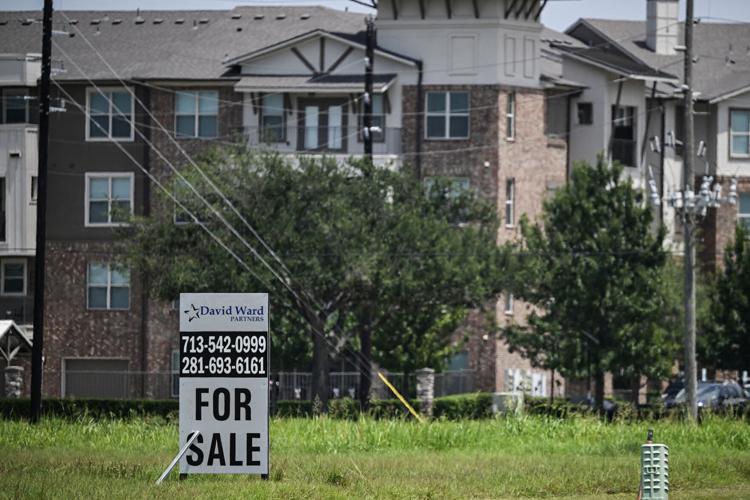
A parcel of land for sale is seen Aug. 20 in Katy, Texas.
Other analysts saw similar evidence of changing demand for housing. An assessment released last month by Harvard University鈥檚 Joint Center for Housing Studies found that household growth fell to 1.1 million in 2025 from 2 million in 2021, the third straight year of decline as young people double up with roommates or live with family rather than go out on their own.
鈥淭he demand slowdown is coming,鈥� said Alexander Hermann, senior research associate at the Joint Center. 鈥淭hat鈥檚 a real thing.鈥�
Weaker appetite for homes overall doesn鈥檛 mean everyone can find one. According to the National Low Income Housing Coalition, 11 million extremely low-income renter households compete for just 3.8 million homes within their reach.
There remains a severe shortage of units for households in the lower- and middle-income brackets, Hermann said. 鈥淚 don鈥檛 think we鈥檝e made any progress on that,鈥� he said. 鈥淚f anything, that circumstance has only worsened.鈥�

An aerial photo shows home construction underway on July 28 in Las Vegas.
A few months ago, Ali Wolf, chief economist at homebuilding consultancy Zonda, spoke before a gathering of clients and laid out a sobering picture: The country still added jobs but at a slower pace, and the population grew but at one of the slowest rates on record.
A builder asked a question that caught her attention.
鈥淗e said if job growth is slow and if population growth is slow, how do we grow our business?鈥欌�� Wolf said.
Since then, she鈥檚 marshaled resources to answer it, building an index that ranks nearly 100 metropolitan areas on expectations for long-term demand. Her team is meeting with builders to explain what it means for their regions.
When the immigration crackdown began, builders braced for the loss of the workers who frame their houses and pour their foundations. Since then, a drop in apartment construction eased that pressure.
鈥淲e thought we were going to get hit by labor supply,鈥� Wolf said. 鈥淎nd actually, our biggest concern has been housing demand.鈥�