WASHINGTON 鈥� The House of Representatives passed a bipartisan bill Tuesday that seeks to alleviate a growing housing crisis by streamlining construction regulations, encouraging local innovation and limiting investor purchases of homes, among other steps.
The legislation 鈥� a major priority for both Republicans and Democrats ahead of this fall's midterm elections 鈥� passed overwhelmingly, with a final tally of 358-32. The vote came a day after the Senate passed the bill 85-5. It now goes to President Donald Trump, who is expected to sign it.
After clearing logjams in the White House and House of Representatives, the legislation drew broad support in an election year in which both parties are increasingly aware that voters said they're fed up with the high cost of living.

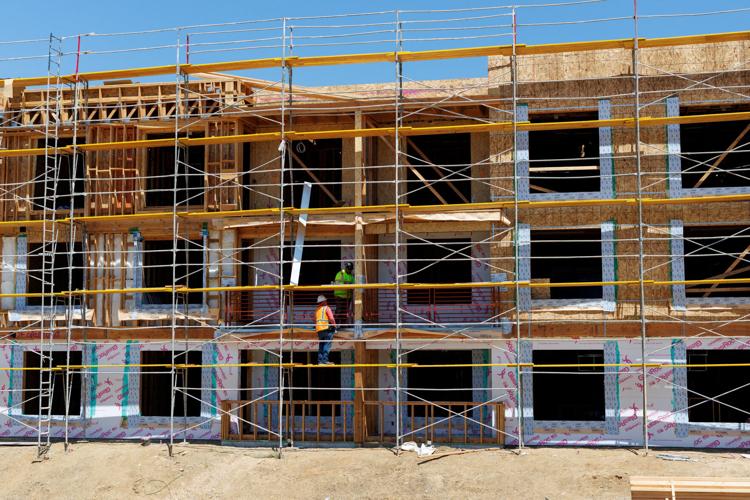
FILE PHOTO: Construction workers are shown at work on a multi-unit residential housing project in Encinitas, California, U.S., July 28, 2025. REUTERS/Mike Blake/File Photo
The 21st Century Road to Housing Act has been over a year in the making and encouraged a national discussion of why housing is so unaffordable 鈥� and what can be done to fix it.
People are also reading…
鈥淚t鈥檚 a highly consequential piece of legislation,鈥� said Dennis Shea, the executive vice president of the Bipartisan Policy Center's Terwilliger Center for Housing Policy. 鈥淚t demonstrates that members of both parties are working together to tackle the housing affordability challenge. They鈥檙e hearing from their constituents that rising housing costs are a real problem.鈥�
The bill was largely championed in Congress by Rep. French Hill, R-Arkansas; Rep. Maxine Waters, D-California; Sen. Elizabeth Warren, D-Massachusetts; and Sen. Tim Scott, R-South Carolina.

Hill, the chairman of the House Financial Services Committee, characterized it "one of the most significant bipartisan housing reforms in recent memory."
In a speech, he called the legislation an example of "Congress working at its best, tackling the challenges of the American people, offering solutions and having those enacted into law."
Waters, the ranking Democrat on the Financial Services Committee, said it was a "first step" toward addressing the nation's affordable housing crisis.
"This bill speaks to the real change that our constituents have been demanding," she said.

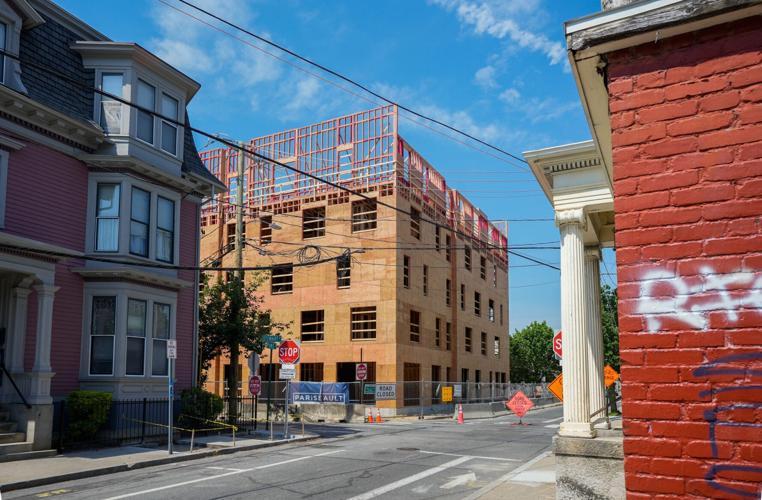
Work continues in mid-May on Crossroads RI's affordable housing complex in Providence.
Why is there a housing crisis in America?
There are numerous reasons for the housing shortage, but one of the most important is the sharp decline in development after the financial crisis of 2008. New-home construction tumbled, then stayed depressed for over a decade. Economists now reckon the U.S. has a housing shortage in the millions of units.
With so little supply, prices are surging, keeping housing both for rent and for purchase out of reach of many Americans. The median price of a previously owned home sold in May was $429,300, according to the National Association of Realtors. That鈥檚 up a whopping 52% from just before the COVID-19 pandemic.
As housing remains out of reach, meanwhile, more Americans are feeling the pinch. One-quarter of all owners and half of all renters are 鈥渃ost-burdened,鈥� meaning they pay more than one-third of their income for housing. The number of people living with family or friends is also increasing: Household formation has fallen sharply since the pandemic, according to a report released earlier in June.

If you have a family and are thinking about moving, there are numerous factors to consider - housing costs, transportation options and proximity to relatives, but if you have kids, additional variables come into play like quality of schools, air quality and suitable weather for outdoor activities.聽 Thankfully, someone did the research. Yair Ben-Dor has more.
What is in the housing bill that just passed Congress?
With the crisis so deeply entrenched in the economy, housing observers believe it needs to be tackled on a variety of fronts.
Shea thinks one of the bill鈥檚 key components is a change to federal regulations of manufactured housing that would streamline construction of such houses. Factory-built homes can cost hundreds of thousands of dollars less than those built on the property site.
The legislation also seeks to limit large investors 鈥� those with at least 350 properties 鈥� from buying homes. That idea has broad support from lawmakers, though most housing experts disagree that such a step is needed.
The bill 鈥渋s not going to solve the affordability challenge,鈥� Shea told USA Today. 鈥淭hat will take action at the state and local level and with the private sector. But it is very meaningful.鈥�