PHOENIX 鈥� The Trump administration is not entitled to Arizona's voter registration records, a federal judge ruled Tuesday.
In a 13-page order, U.S. District Court Judge Susan Brnovich acknowledged that federal law does require states to preserve certain documents related to federal elections. And the law also empowers the Attorney General, as head of the Department of Justice, to demand that they be produced.
But Brnovich said there's a flaw in that argument.
"Arizona's state voter registration list is not a document subject to request by the attorney general,'' the judge wrote.
Brnovich was no more impressed by a backup argument by the Trump administration.
Attorneys for the Department of Justice said that even if voter registration records aren't specifically subject to disclosure, they are entitled to the information based on a broad definition in the Civil Rights Act, which grants access to "all records and papers.'' The judge, however, said that is a misreading of the law.
People are also reading…
The ruling in some ways is not a surprise.
Arizona is one of more than two dozen states sued by the Department of Justice in its quest to obtain voter registration records.
The ruling in Arizona adds to the five other jurisdictions that already have reached similar conclusions that the Trump administration lacks authority to demand such documents.
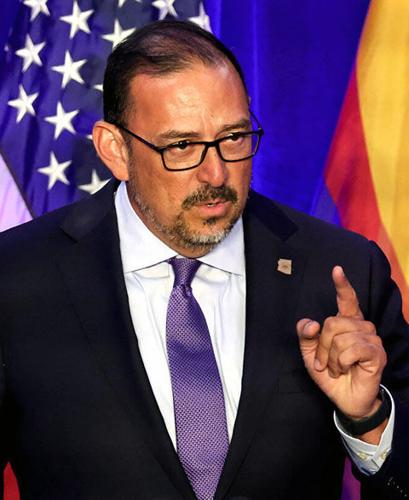
Tuesday's ruling is a victory for Secretary of State Adrian Fontes.
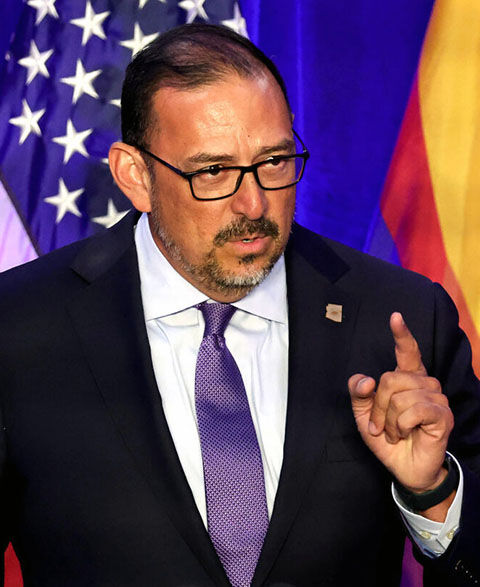
Fontes
It was his refusal to hand over the documents in the first place that led to the federal court filing suit against him.
Fontes said that some voter registration information already is a public record.
That includes things like names, addresses, and party affiliation. And he said that the government is entitled to any of that.
But Fontes said much of the information demanded by the Department of Justice is protected by state privacy laws. That includes any part of a voter's social security number, driver's license number, mother's maiden name, the state or county of birth, an email address and signature.
And that, he said, is just for ordinary residents. There is an entirely separate and more comprehensive law covering those in the state's confidentiality program 鈥� people like prosecutors and judges 鈥� who have obtained a court order shielding anything in the records, like their home address, from public view.
But even if that were not the case, Fontes said there's no basis for the demand.
He noted that the Department of Justice never explained how the records it wants would help the agency with its claim that it is looking into whether there are any civil rights violations in Arizona's voter registration system. In fact, in the lawsuit filed in January, the agency claimed it needs the information not as part of any investigation but instead only to monitor requirements in federal law that state officials do "list maintenance'' to keep voter registration records current and accurate "to protect American elections.''
Fontes, however, has another theory.
In his own legal filings, the secretary of state said it appears the real goal is that the federal government wants to amass a national centralized database on millions of Americans in what appears to be part of a plan to check the immigration status of those on the voter rolls.
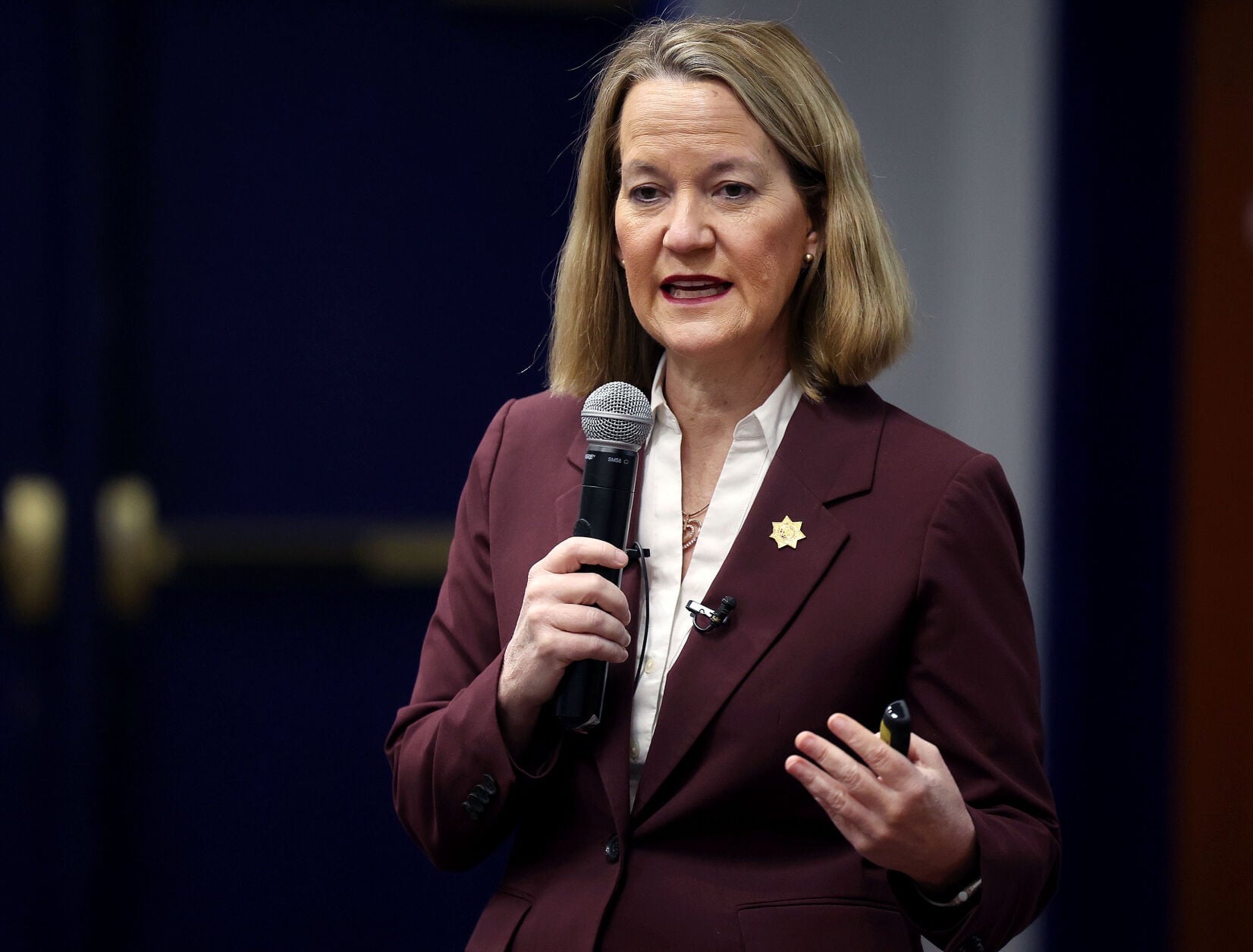
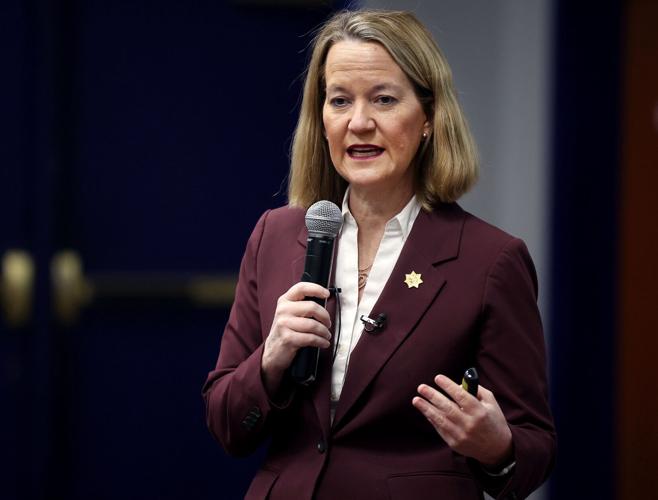
Mayes
In a joint prepared statement, Fontes and Attorney General Kris Mayes said that Brnovich "rightfully dismissed'' the federal bid to access the information.
"That database contains the sensitive information of millions of Arizona voters,'' they said.
"The court was clear,'' they continued. "The Civil Rights Act does not authorize this demand.''
And they said they will "continue to defend the privacy of Arizona voters against federal overreach.''
There was no immediate response from the Department of Justice.
Howard Fischer is a veteran journalist who has been reporting since 1970 and covering state politics and the Legislature since 1982. Follow him on X, formerly known as Twitter, , and Threads at @azcapmedia or聽email聽azcapmedia@gmail.com.