

Last month, I wrote my article from an apartment in Sorrento, Italy, where we had considerable difficulty finding birds to photograph and write about. I promised more birds for the rest of our two months in Europe, when we planned to travel to Greece and Turkey, and in fact, we did find more than we had in Sorrento. But if you’re contemplating an Aegean birding adventure, you might want to focus on antiquities instead of avians. Thanks to nighttime lighting, our hotel room in Athens had a twenty-four-hour view of the Acropolis and Parthenon on the 500 feet high rocky plateau above us. Habitation of this site dates back 8000 years, a fact that is hard to shake while you’re looking for birds. Nevertheless, there are several eBird hotspots in and around Athens, and we hired a good, English-speaking birding guide to take us to five Athens area hot spots over a three-day period.
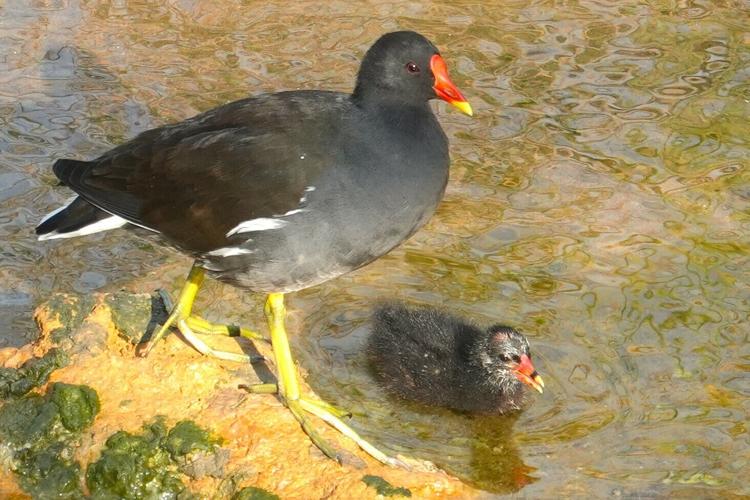
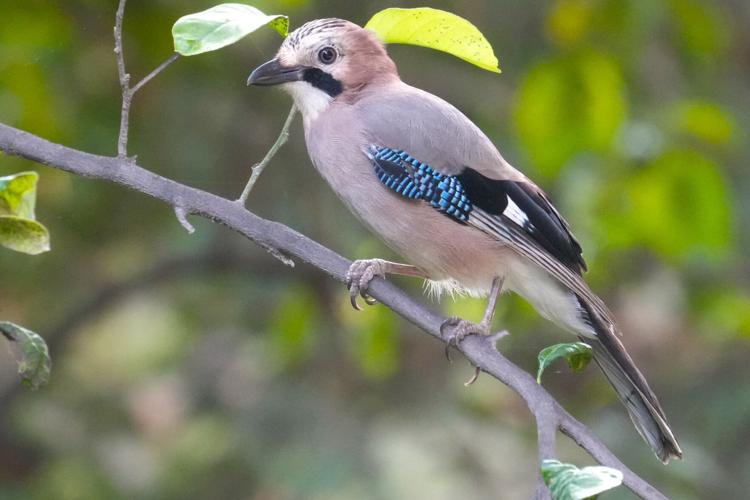
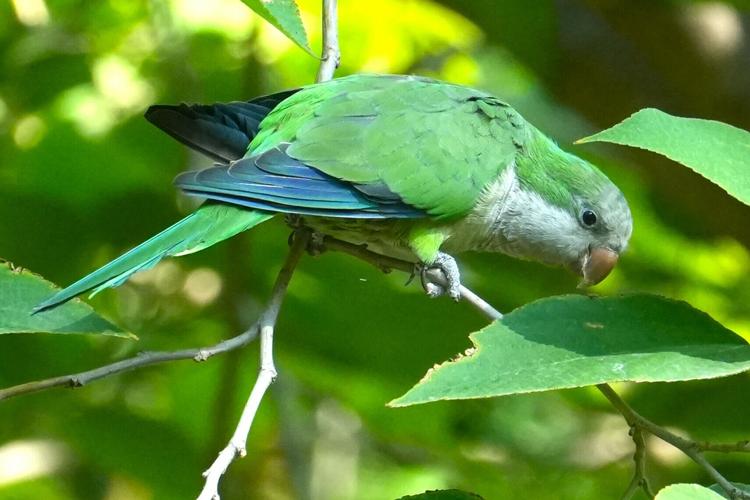
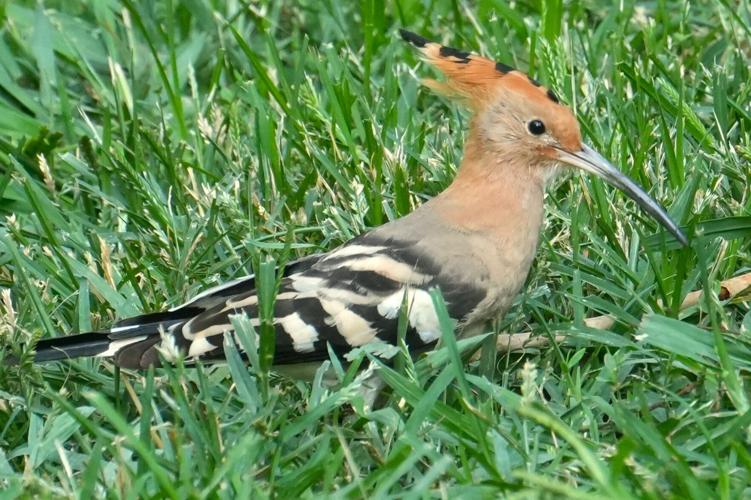
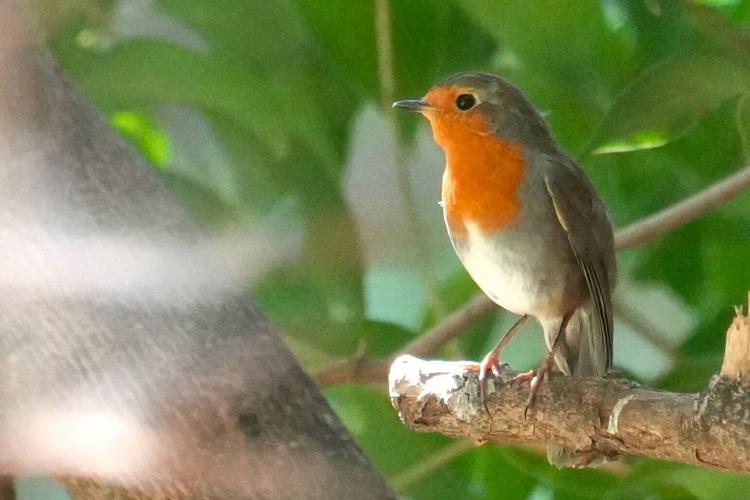
The first and most productive of these was Antonis Tritsis Metropolitan Park, where we found 19 species over a two-hour period. Highlights included Gray Wagtail, Rose-ringed Parakeet and European Red-rumped Swallow, all three of which were new ‘ice cream’ (life) birds for us. On our second day, we birded three hot spots: Rafina River Mouth (seven species in an hour), Vravrona Wetland (13 species in two hours) and Spata Fields (12 species in 45 minutes). Our highlights during these three hotspots included Zitting Cisticola, Sardinian Warbler, Eurasian Moorhen, Lesser Gray Shrike and early migratory returnees, 15 European Bee-eaters. Our favorite hotspot, however, was the National Garden, a 30-acre lush, greenspace in the heart of Athens within walking distance of the Parliament, where the elaborate changing of the guard takes place hourly, drawing hundreds of camera-toting tourists. The National Garden is a heavily treed park, free to visitors, and with a confusing array of footpaths that seem to ramble in random directions, rarely encountering a restroom. The birds here number only 94 species, but they include several colorful specialties, including Eurasian Hoopoe, Rose-ringed Parakeet, Monk Parakeet, Eurasian Jay, Willow Warbler and European Robin. The restrooms may be few and far between, but the treed areas are thick and inviting. There are small ponds and lakes, as well as plenty of benches, and some of our best bird photography came from this park where you could rest in the shade and wait for the birds to come to you. More than once we found special birds magically appearing and posing for extended periods, giving us ample time to get them into focus.
Still, the number of species, and more importantly the number of birding checklists, are lightweight compared to what we’ve become accustomed to. The five hot spots we birded include the third, fifth and sixth most popular birding sites in Greece in terms of checklists, ranging from a low of 449 (Rafina) to 1,629 (Spata), and total species ranging from 141 (Rafina) to 235 (Spata). By comparison, Sweetwater Wetlands in Tucson has 42,404 checklists and 327 species, and we saw more bird species in our backyard the day after we returned than we did at any of the five hot spots we birded in Greece. On the other hand, we’re a bit short of 8,000-year-old antiquities in the U.S.
If you have questions or comments about SaddleBrooke’s birds, or to receive emailed information about bird walks led by Bob and Prudy, call (520) 330-0366 or email bobandpru@gmail.com. Previously published articles can be found at .
 Lake Mead's drops raise prospect of unaffordable Hoover Dam electricity


