

PHOENIX 鈥� Wondering why the voter-mandated increase in Arizona鈥檚 minimum wage hasn鈥檛 culled jobs?
It鈥檚 because the overall state economy is doing so well, said Doug Walls, director of labor market information for the Arizona Office of Economic Opportunity.
Walls said the cost to employers 鈥� the state minimum wage has gone from $8.05 an hour in 2016 to $11 now 鈥� has to be borne by someone.
But it appears affected employers are simply passing along the additional expense, he said Thursday.
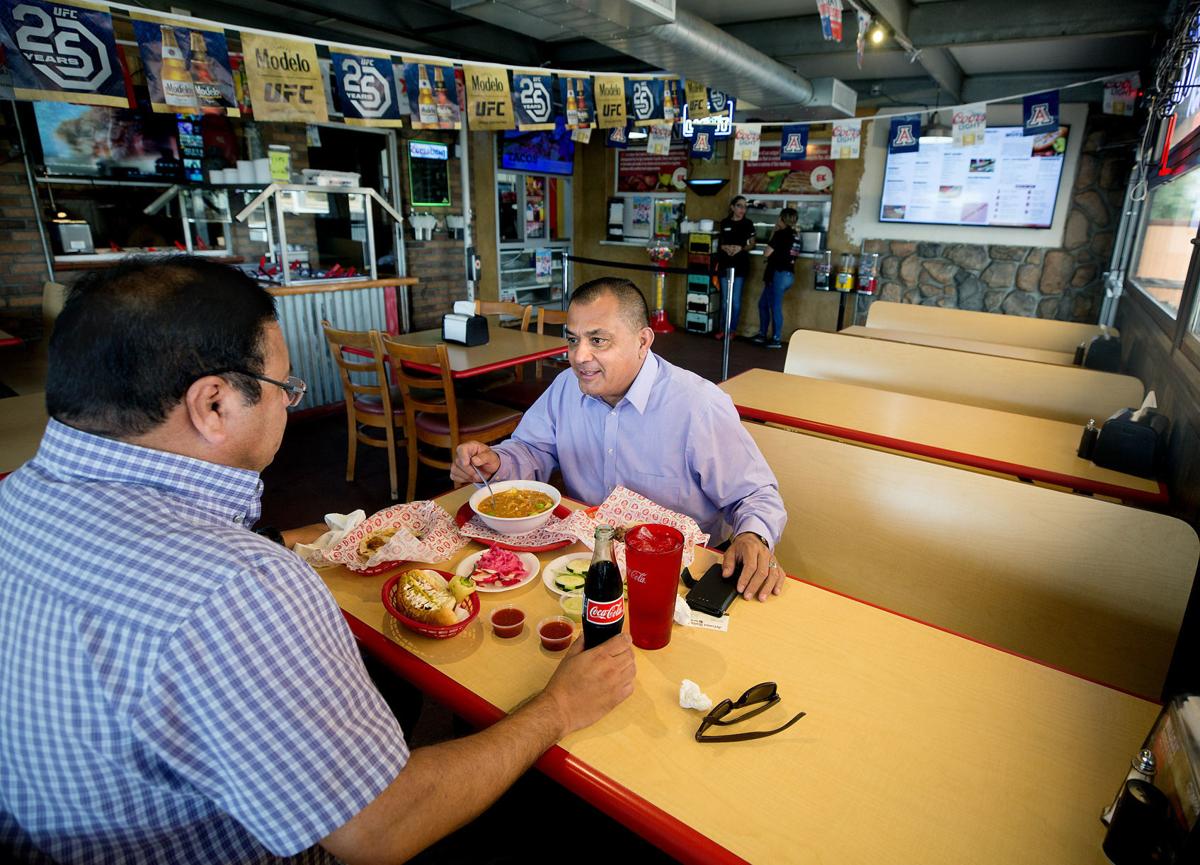
And that does not appear to be affecting the willingness of people to go out and eat, drink and stay in hotels, the industries with the traditionally lowest wage rates.
鈥淲hat we鈥檙e seeing is that employment growth continues to increase or growth has held steady in some of those lower-paying industries overall,鈥� said Walls. That includes the hospitality industry, where employment is up by 2,200 over the same period a year ago.
People are also reading…
But Walls said he鈥檚 not prepared to say the same would hold true if Congress hikes the federal minimum wage to $15 by 2025, as the U.S. House voted to do Thursday.
鈥淚t鈥檚 a little bit more speculative,鈥� he said. 鈥淏ut what we鈥檝e seen with Arizona鈥檚 minimum wage increases has been continued economic growth in a multitude of industries around the state.鈥�
Walls also reported that Arizona continues to create new jobs almost as fast as the number of people who are moving here, no small feat given the state鈥檚 population growth is the fourth fastest in the nation.
The state鈥檚 seasonally adjusted jobless rate for June remained at 4.9% , the same as in May 鈥� and two-tenths of a point higher than a year ago. It also is more than a point higher than the national average of 3.7%.
Still, that鈥檚 not bad news, Walls said, as he sees it as a showing of the state鈥檚 economic growth.
鈥淲e tend to think that when labor force levels increase, people are more optimistic about their opportunities to get jobs,鈥� he said. 鈥淎nd they鈥檝e been able to find those jobs within Arizona.鈥�
Conversely, he said, the unemployment rate may be lower in other states due to 鈥渟hifting demographics.鈥�
The workforce elsewhere is aging, with people retiring, he said. 鈥淲hile work is needed and there are jobs out there, overall they鈥檙e not seeing the participation into the labor force that Arizona is actually seeing,鈥� he said.
Of course, the other side to that supply-and-demand issue relates to wages: When the number of workers available is less than the number companies need, they have to offer more money.
The result is that the average hourly wage in Arizona for last month was $26.13 versus $27.87 nationally. The gap appears to be widening, with a 4.2% year-over-year increase nationwide versus 2.6% in Arizona.
One area where wages in Arizona are more than keeping pace is in the category of 鈥渓eisure and hospitality,鈥� generally defined as bars, restaurants and lodging places. There, wages are up 9.4% year-over-year.
As this sector of the economy grows, there are more opportunities for workers to look for other employment. 鈥淓mployers might have been forced to increase wages as it was anyway,鈥� even if the 2016 ballot measure did not impose a mandate, Walls said.
鈥淏ut the economic activity that we鈥檙e seeing in Arizona does not appear to have been dampened by the increase in the minimum wage.鈥�


