

An international organization has just confirmed what we long knew: Tucson is a great food city. On Friday, The Old Pueblo became the first city in the United States to be recognized for its 鈥済astronomy鈥� by the United Nations Educational, Scientific and Cultural Organization.
As part of the UNESCO Creative Cities Network, Tucson joins a host of cities renowned for their vibrant cuisines, including Parma, Italy (home of the famous Parmigiano Reggiano cheese) and Phuket, Thailand. We are the first city in North America to earn the designation, along with the wine and seafood capital of the Baja, Ensenada, Mexico, which received the honor the same day.
鈥淭his is really a milestone in the history of Tucson,鈥� said John Paul Jones III, dean of the University of Arizona College of Social and Behavioral Sciences, during a congratulatory news conference at Mayor Jonathan Rothschild鈥檚 office. The university had worked with the city of Tucson and Edible Baja Magazine to pursue the designation over the course of two years.
People are also reading…
Coinciding with the honor, Jones said that the UA will launch a new Center for Regional Food Studies to work in conjunction with the Southwest Center. The downtown center will be directed by scholar and educator Gary Paul Nabhan, who was also an adviser in the UNESCO project. In addition to coordinating research on food justice issues, the organization will also perform outreach involved with the new designation.
鈥淥ne thing that we鈥檒l be doing through the new center is focusing on those international exchanges with the Ensenada, Mexicos and the Zahl茅, Lebanons to see how other desert cities around the world are trying to do the same thing,鈥� Nabhan said during the news conference. 鈥淚t鈥檚 great to see people from the university and the city government and the nonprofits and the businesses all rowing together in the same direction, and that鈥檚 what made a difference.鈥�
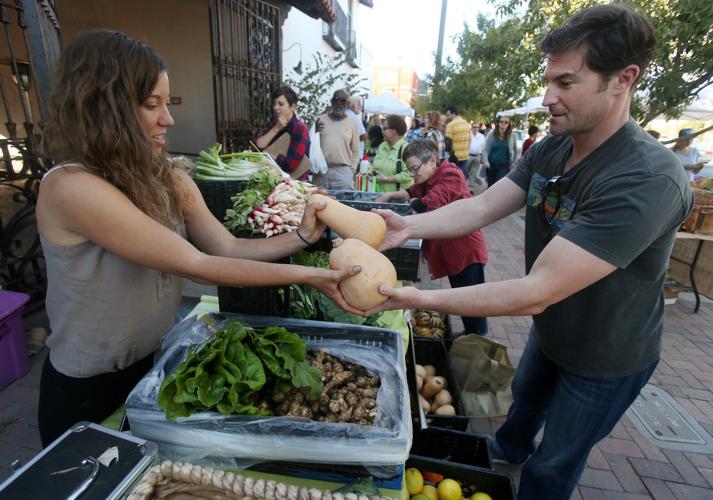
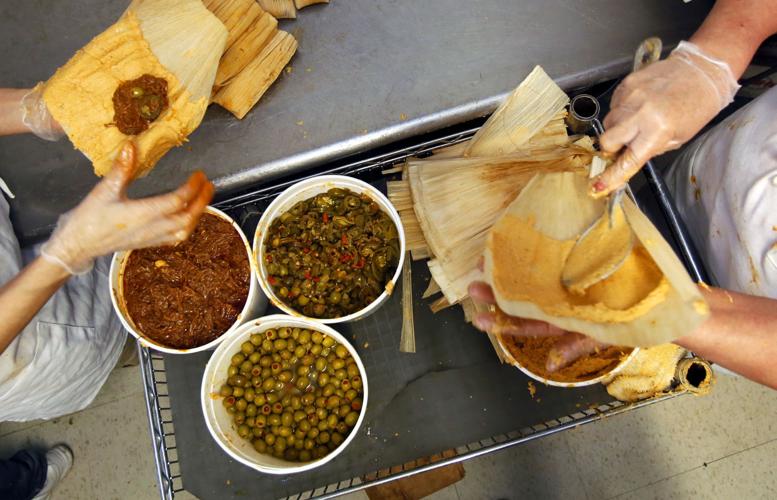
In Tucson鈥檚 second attempt at the designation, the 16-page argued that Tucson is one of the oldest settlements in North America with 4,000 years of agricultural history. Indigenous and New World ingredients come together with Old World traditions to form a unique and contemporary Southwestern cuisine. The application also boasts of Tucson鈥檚 many farmers markets, community gardens and food festivals that promote eating local.
Felipe Garcia of Visit Tucson said our town is already known for its gastronomy, but that the designation will be a talking point that will help increase tourism in the future.
鈥淭his the beginning; this is not the end of the road. It鈥檚 a great success, but now we have to take advantage of this designation and keep selling Tucson as the great place that it is,鈥� he said. 鈥淟et鈥檚 stop trying to be Austin or Scottsdale or Portland. Let鈥檚 be great to Tucson. We should be proud, and we should be very excited about things like this.鈥�
John Kenyon with the UNESCO nonprofit in Iowa City, Iowa, which in 2008 joined the UNESCO Creative Cities Network as a City of Literature, said it was hard to say if the designation had a direct impact on Iowa City鈥檚 tourism. But he said the honor had provided a 鈥減owerful tool鈥� to spread the word beyond the city鈥檚 core demographic of authors and academics.
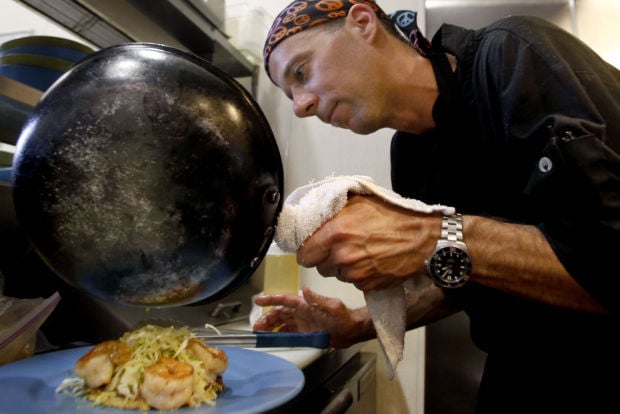
Chef Janos Wilder, who also advised on Tucson鈥檚 application, said the designation will help to improve the local food economy, but more importantly it will allow Tucson to 鈥渢ake a more focused stance on a lot of issues that are important to us.鈥� In addition to the city鈥檚 heritage and its seed diversity, Wilder said Tucson draws strength from the 鈥渦nparalleled鈥� work of the Community Food Bank.
The UNESCO Creative Cities Network was established in 2004 to increase cooperation and urban development between cultural and artistic cities worldwide. Aside from gastronomy, cities can receive a designation in music, design, literature and more. There are currently 116, including six in the U.S.