Douglas
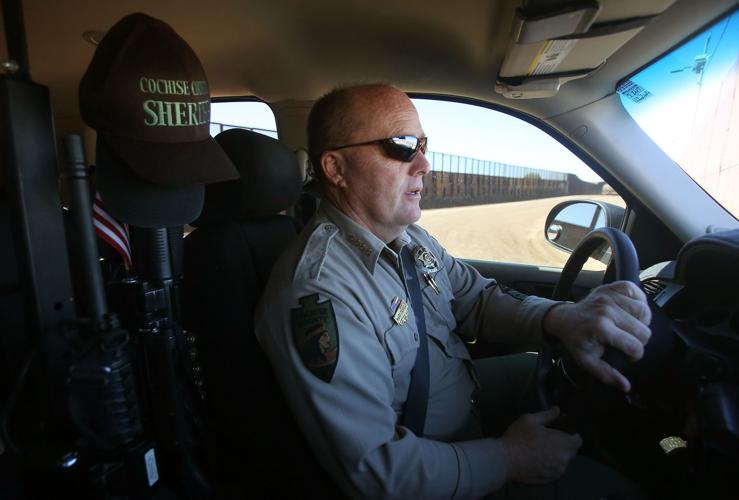
In the opening scene of the TV show 鈥�,鈥� a Cochise County sheriff鈥檚 deputy drives along the border fence near Douglas.
Host Bill Weir intones: 鈥淗e has a tank full of gas, a weapon full of rounds and a radio full of chatter. That is Deputy Art Estrada in Cochise County, Arizona, driving right along the wall. As the sun sets, he has no idea what this night will bring.鈥�
The Cochise County Sheriff鈥檚 Office promoted its participation in the 鈥淐ops鈥�-style Discovery Channel show, saying in in December 2018, 鈥淪heriff Mark Dannels is excited to be part of this documentary to take Cochise County to the entire country for showing a factual account of what life on the border is truly like.鈥�
People are also reading…
As it turns out, the next 90 minutes brought nothing much from Estrada 鈥� the host did not return to him except to sign off the show for that night. And after three episodes, 鈥淏order Live鈥� was dead, canceled early.
But that inaction was a 鈥渇actual account鈥� of life on the border as many residents of towns like Douglas live it.
There鈥檚 a lot of hype about the alleged danger, residents say, but the day-to-day reality is pretty tame.
That doesn鈥檛 mean that border fear, promoted constantly by President Trump and sometimes spread by local officials like Dannels, doesn鈥檛 have an impact. It does.
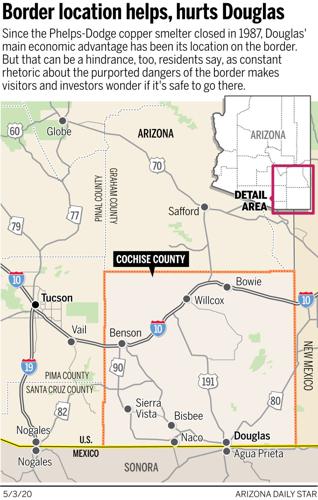
Communities like Douglas don鈥檛 have a lot going for them economically anymore. The industry Douglas was founded upon, copper, disappeared when the Phelps Dodge smelter closed in 1987, and the community鈥檚 population has been dropping, most recently below 16,000.
Now, Douglas鈥� only real advantage is the border and the commerce it attracts.
鈥淲e who live here on the border don鈥檛 think of this as a dangerous place to live 鈥� we think of it as home,鈥� said Cochise County Supervisor Ann English, who represents the Douglas-Bisbee area and most of Cochise County鈥檚 southern border.
鈥淓verywhere I travel, when I say I鈥檓 from near Douglas, Arizona, there鈥檚 almost a gasp. People say, 鈥楢ren鈥檛 you afraid to live there?鈥欌�� she said.
鈥淭he media seems to have given us that reputation, and we can鈥檛 beat it down.鈥�
Things do happen at the border that don鈥檛 happen in other places in America 鈥� drug tunnels, for example.
, Sonora, was discovered in 1990 and has colored the town鈥檚 reputation ever since, although it had little effect on residents鈥� daily lives.
Stereotypes afflict border towns
In 2000, I spent most of the spring in Douglas and documented an out-of-control migration dynamic, with people jumping the border into town nightly.
After an influx of Border Patrol agents and, yes, construction of border barriers, that chaos was brought under control, and over many years a degree of control spread outside of town.
But in the intervening decades, even as conditions improved in many places, the smoldering public suspicion of the border has grown into an out-of-control conflagration of fear. There have been many culprits, but in recent years it has been Donald Trump wildly fanning the flames.
Even as a candidate in 2015, Trump painted the U.S. side of the border as 鈥渄angerous.鈥� He a campaign visit to Laredo, Texas, in July 2015 despite the danger of being there, 鈥淚 have to do it.鈥�
In truth, Laredo is , though that鈥檚 not the case in Nuevo Laredo, across the border in Mexico.
President paints an unflattering portrait
As president in 2018, Trump repeatedly referred to the U.S.-Mexico border as 鈥� failing to distinguish between the towns and the rural areas, the U.S. side and the Mexican side, the eastern half of the border and the western half.
In 2019, Trump pointed to El Paso as a place where border walls had made life safer. He said, 鈥淭he border city of El Paso, Texas, used to have extremely high rates of violent crime 鈥� one of the highest in the country, and considered one of our nation鈥檚 most dangerous cities.鈥�
. El Paso鈥檚 rate of violent crime fell sharply from 1993 to 2006, and in 2008, the year before the current border barrier was built, it was ranked as s in America.
The Cochise County Sheriff鈥檚 Office, too, since 2004, and Douglas itself has had a of violence in recent years.
In 2017, the last year for which both towns have Uniform Crime Reports, there were 2.5 reported violent crimes in Douglas per 1,000 people. in Safford, 120 miles to the north, was 2.3.
The same stereotypes cast over El Paso afflict Arizona鈥檚 border cities. Douglas Mayor Roberto Uribe, who moved to the border as an adult, told me he was scared about even visiting Douglas in 2010, when he agreed to go there from Phoenix with his then-girlfriend, now-wife, Jenea.
Mayor says town is underappreciated
Uribe grew up in New York City, yet when visiting Douglas he worried about drug cartels. He told me he feared he would 鈥減robably witness an actual shooting while I was there.鈥�
鈥淢y heart is pounding. I鈥檓 anxiously waiting to get there. And when I get there, I鈥檓 like, 鈥極h my gosh, it is just like any other ordinary community,鈥欌�夆�� he said.
Now Uribe, who lost the primary election in March and will leave office after the general election this month, sees the town as underappreciated.
鈥淚f a student graduates with their master鈥檚 degree on the border, that鈥檚 not typically projected. But if someone is apprehended at the border with, let鈥檚 say, 50 pounds of marijuana, of course that鈥檚 the headline,鈥� he said.
鈥淚t鈥檚 one-sided, and typically the story about the border always gets told by a third party. It鈥檚 typically not told by a person that lives on the border.
鈥淲e鈥檙e always robbed of the success of the border.鈥�
Sheriff calls it cartel 鈥渢horoughfare鈥�
It鈥檚 not just national political figures, alien to the borderlands, who spread fear.
As sheriff, Dannels has repeatedly hosted congressional delegations, has testified in Washington, D.C., and has traveled the country delivering a message that, indirectly and unintentionally, tells the world Cochise County is dangerous.
What Dannels actually says is that the border is insecure, which is true at some times and in certain places. It has been more true in the remote rural areas where ranchers near the border have complained of smugglers and other border crossers for years.
But the impression he reinforces is one that many residents say does not reflect their experiences: that it鈥檚 also unsafe in Douglas and other border towns.
Mark Adams, a Presbyterian minister who runs the migrant-oriented Frontera de Cristo group, decried the impression Dannels leaves of the border towns, Agua Prieta and Douglas, where he has lived since 1998.
鈥淭he narrative that drives him is that this is a scary place, and 鈥榃e鈥檙e here to defend the people of the United States from these scary people,鈥欌�夆�� Adams said.
As a result, 鈥淭he rest of the nation sees the border primarily as a place to defend. It hurts our community. Our lifeblood is our interconnectedness.鈥�
Sheriff says he鈥檚 being misunderstood
Dannels told me last week that鈥檚 not the message he is trying to send: 鈥淵ou鈥檒l never find I said this county is dangerous or unsafe. I said we have a border that provides us a lot of uncertainty, and we know the cartel is using that as a thoroughfare.鈥�
In North Dakota for a conference in October, Dannels was the subject of news stories for a session he led about the Mexican border.
鈥淭alking to your local sheriff, he said there鈥檚 a methamphetamine issue here,鈥� Dannels in Bismarck. 鈥淲ell, it starts in my backyard, and it鈥檚 coming to yours.鈥�
This is a talking point Dannels has repeated.
In July 2019, I attended a public session with a Republican congressional delegation Dannels hosted. Among those attending was the most extreme anti-immigration congressman, Rep. Steve King of Iowa. Dannels told the group federal policies have hurt the county.
鈥淭he last 30 years, we have been impacted through crime, violence, murder, the economy.鈥� He went on, 鈥淲hat鈥檚 happened right here in Cochise County is happening in every county in America. America is now a border country.鈥�
But attributing America鈥檚 illegal drug problem to the border doesn鈥檛 make complete sense. We Americans provide the demand; domestic and foreign suppliers send the drugs.
In most cases, the shipments hop the U.S.-Mexico border, often through the ports of entry. But the border isn鈥檛 the source of America鈥檚 drugs or of its drug problems 鈥� it鈥檚 just a bump in the road.
When I spoke to Dannels last week, he acknowledged that our demand for drugs is a significant part of the equation, along with cross-border suppliers.
鈥淲e have a very addictive and deadly appetite for illicit drugs. And since we have the demand, the cartels provide the supply. And so we share that 鈥� Americans share that just as much,鈥� Dannels said.
He considers it his sworn duty, he said, to stop drugs from crossing the border into his county.
鈥淚f I can stop a kid from touching dope in their schools or stop a family man or family mom from getting onto dope because I cut the supply down in my county, I鈥檓 doing really well,鈥� he said.
Alarm over the border brings other dividends. Howard Buffett, a Cochise County landowner and the son of Warren Buffett, has showered Dannels鈥� department with gifts, many of them dealing with Buffett鈥檚 hobby: b.
And Dannels has been feted around the country, named to the Department of Homeland Security Advisory Council, the White House.
While fearful rhetoric about the border is the dominant narrative, some people are working to reverse that, or even suppress it.
Uribe has been trying to tell a different border story that downplays the negative.
Drugs catapulted across the border
In late 2017, Uribe learned from the head of the Border Patrol鈥檚 Douglas station that someone had been using an air-cannon-like implement to fire bundles of marijuana over the border fence from Agua Prieta.
鈥淭he Border Patrol agent in charge said, 鈥楳ayor, I know you鈥檝e tried very hard to champion your community and economic development and demonstrate we鈥檙e a safe community, but if this continues, we鈥檙e going to have to contact the Tucson sector and get them involved,鈥欌�� Uribe told me.
If the sector got involved, that probably meant publicity and 鈥渁nother black eye鈥� for Douglas, Uribe said.
A catapult and a small air cannon used for the same purposes had been seized in Agua Prieta in 2016, prompting a flurry of amusing news stories that had put Douglas in a bad light.
鈥淚 got on the horn and I called the Mexican Consulate, the mayor from Agua Prieta, and the mayor from Agua Prieta contacted the (Mexican) federales. We had a roundtable discussion,鈥� Uribe said.
鈥淲ithin a few days it just stopped. The word got out.鈥�
I asked Uribe, 鈥淭he success was not just stopping the cannon 鈥� it was stopping the story, right?鈥�
鈥淵es,鈥� he said.
Of course, the story got out anyway.
On Nov. 16, 2017, the Star published a story headlined 鈥淧ot-shooting bazooka found near Arizona border.鈥�
While Dannels has local critics, many residents appreciate his office鈥檚 efforts, especially in the rural areas outside towns that are his department鈥檚 responsibility.
Since 2015, his office has set up a network of hundreds of cameras in smuggling corridors that has helped shut down many of those passages.
Gary Thrasher, a veterinarian and rancher from Palominas, has been involved with community efforts to address border insecurity for years and considers the effort as successful as any he has seen.
鈥淭hey鈥檙e identifying trails where people out there in the rural areas see activity. They put cameras along those trails. It鈥檚 connected to a cellphone device, where they get live pictures,鈥� Thrasher said.
鈥淭hey can respond to them a whole lot better than the Border Patrol with its millions of dollars can.
鈥淭hey鈥檝e made a huge difference as far as shutting those things down.鈥�
But while Dannels has shown expertise in solving rural border problems, some question his expertise in what goes on in the urban corridors.
Gunfire, but on the other side of border
One incident that really stuck in the craw of some Douglas-Agua Prieta residents was Dannels taking the public lead in announcing drug-world shootings in Agua Prieta and Naco, Sonora, in June 2019.
The office鈥檚 said, 鈥淭he Cochise County Sheriff鈥檚 Office has been advised of significant violence occurring in Mexico in the towns of Agua Prieta; Naco, Sonora; and Nogales, Sonora. The fighting is reportedly being waged between two cartel factions, and the death toll has unofficially been reported at 10 as of this time.鈥�
There was one key error in the release 鈥� violence was not occurring in Nogales.
In interviews, Dannels also referred to the shootings as being when in fact they were Agua Prieta.
For Arizona news outlets, Dannels became the primary source of information on the shootings. But it was clear to people who live there, people like Mark Adams, that Dannels鈥� familiarity with the facts on the ground was incomplete.
鈥淭he information he put out was wrong,鈥� Adams said, and it led to the impression that violence could 鈥渟pill over鈥� into the United States.
鈥淎nything that feeds into the narrative that we need to be more afraid is harmful to our community,鈥� Adams said.
Mayor Uribe was flying from Cabo San Lucas back to Arizona when the shootings happened. He and the mayor of Agua Prieta had met Mexico鈥檚 president there and had been upheld as an example of cross-border cooperation.
鈥淪o we鈥檙e there on stage telling our story about how well we work together and how things are fine, how we haven鈥檛 had any issues on the border for some time,鈥� Uribe said. 鈥淎s we were landing, I got a call that there is shooting in Mexico in Agua Prieta, and that it鈥檚 not good.鈥�
鈥淲hen we take three steps forward, and a story comes out like the one from Agua Prieta, that set us back eight steps.鈥�
It was scary for residents to hear gunfire on the other side of the border, but that violence had no other impact in Douglas, Uribe said.
鈥淭hese things happen everywhere. It鈥檚 not just at the border,鈥� Uribe said. 鈥淲hy are we the subject of this thriller every single day?鈥�
Trying to attract tourists
Anel Lopez has noticed the misperception of Douglas and the border, and she鈥檚 one of the people trying to do something about it.
Lopez is from San Diego but moved to Douglas with her husband, Florencio, a native of the town, 13 years ago.
She worked as a bank manager in two Douglas banks but eventually took a job in Tucson that had her staying in the Old Pueblo during the week and going home for weekends.
The Tucsonans she got to know were scared for her to return to Douglas, Lopez said, but she marveled at their misunderstanding. She found Tucson much scarier.
鈥淲hat people perceive Douglas to be is not what it is,鈥� she said.
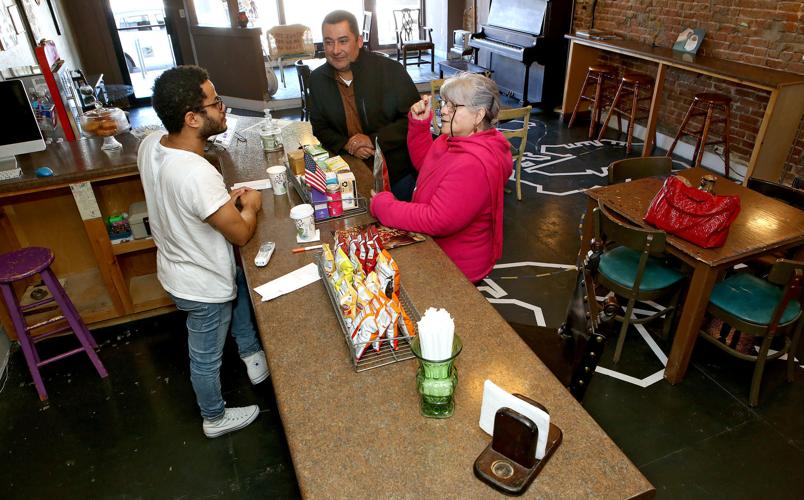
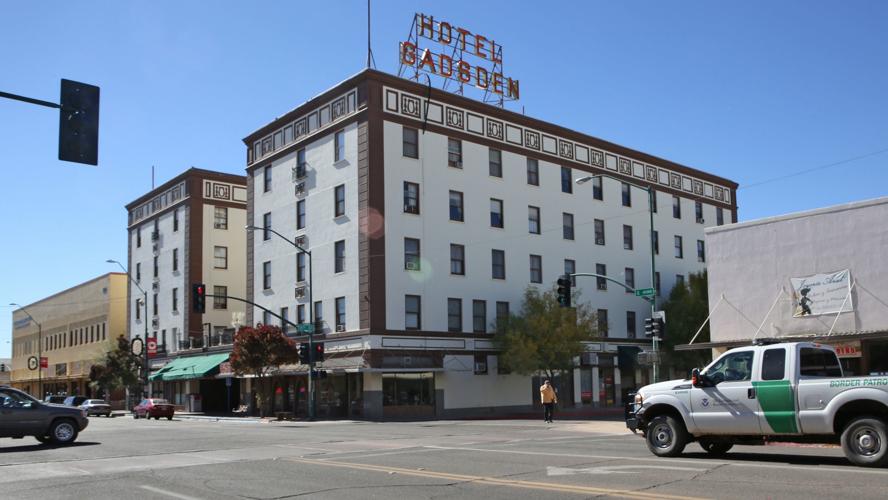
We were talking at a table in the 333 Cafe, the restaurant in Douglas鈥� Hotel Gadsden. Anel and Florencio Lopez bought the hotel in 2016 and are working constantly to make sure tourists from Tucson and beyond are comfortable visiting.
The 1907 hotel is famous for its opulent lobby, and when visitors step in to take a look, Lopez engages with them.
One by one, she said, she鈥檚 been able to turn many people who stop by to look at the lobby into visitors who eat at the restaurant, drink in the bar or may even come back and stay a couple of nights.
Her hope is that she can snag more and more of the tourists who visit Bisbee and convince them the Hotel Gadsden and Douglas are worth a look.
鈥淏isbee went through the same thing Douglas did when the mines closed,鈥� she said. Bisbee adapted, but 鈥淒ouglas stayed the same.鈥�
The view of the border as a dangerous place also has positive economic effects on Douglas 鈥� largely coming in the form of federal spending. The Border Patrol station there is the home base for hundreds of agents who spend money around town and also contribute to the atmosphere of relative safety.
鈥淭here鈥檚 such a difference between the populated areas and the remote rural areas,鈥� veterinarian Thrasher said.
Federal money comes, but investors don鈥檛
鈥淭he populated areas 鈥� towns like Naco, Douglas and Nogales, places where there鈥檚 quite a bit of activity with Border Patrol and Customs agents 鈥� they鈥檙e probably safer than anywhere else in the world.鈥�
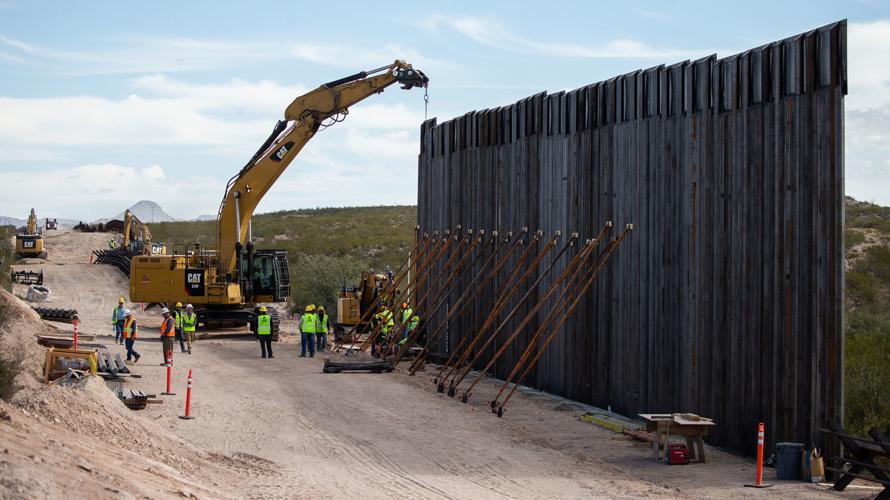
The repeated building of border infrastructure also brings in piles of federal money. This year, it鈥檚 the workers building the border barrier east of Douglas in the San Bernardino Valley. They have filled lots of rooms at the Gadsden, Lopez said, and spread money around.
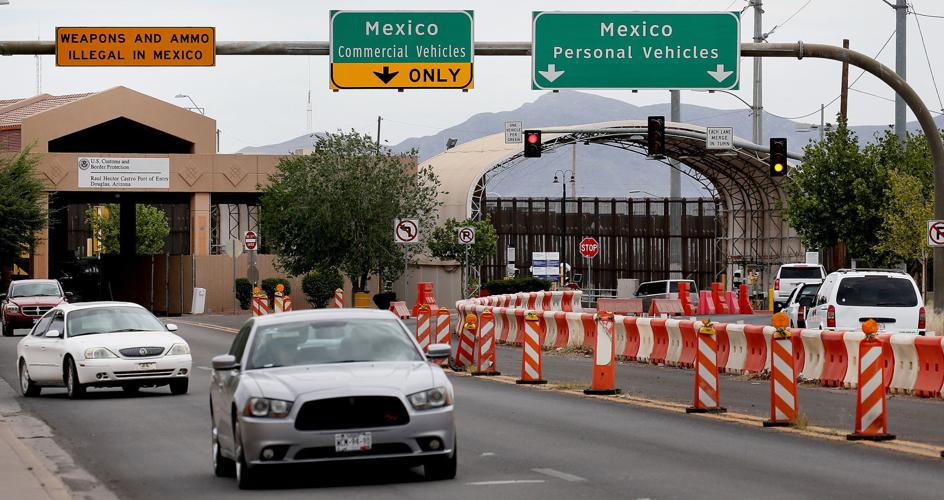
But where the city really fills its coffers is from Mexican shoppers crossing the border and spending at Douglas stores and restaurants. About 70% of the city鈥檚 retail and restaurant sales taxes come from people who live across the border, said Luis Pedroza, the city鈥檚 finance manager.
This year, things were going great until the pandemic hit, shutting down many of the border-crossing trips that produce sales tax revenue in town.
Another problem is also looming: Some of the big maquiladora assembly plants in Agua Prieta are closing due to increased costs from the raised minimum wage in Mexico.
But in the more distant future, there is hope that a new, commercial port of entry will be funded and built, raising the crossing鈥檚 attractiveness.
Fears of area are called 鈥渙verblown鈥�
The city would love to attract new investors to Douglas, but they have found that prospect difficult.
The border, the town鈥檚 main advantage, can become a disadvantage when viewed through the eyes of an outsider who is afraid.
Robert Carreira, who directed economic research at Cochise College until 2019, said he has seen the effect of fear.
鈥淚t鈥檚 a tough thing to measure 鈥� to find out how many people don鈥檛 come,鈥� he said. 鈥淏ack in the day, when I used to do focus groups with folks down there, (fear) was a big concern. It was overblown.鈥�
Ann English, the county supervisor, has been struggling with the issue for years.
鈥淚 don鈥檛 know why people don鈥檛 come here,鈥� she said. 鈥淲e鈥檝e tried to look at the border as being positive for us.鈥�
In this Series
Special project: Immigration manipulation

Tim Steller
Columnist