
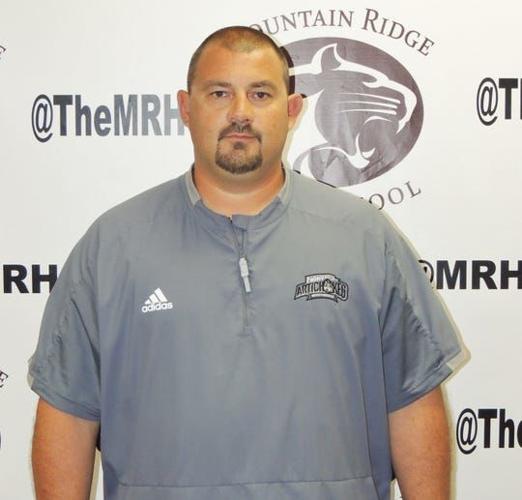

Doug Madoski is a product of a community college.
Madoski was one core class short of being an NCAA qualifier when he graduated from high school in Manteca, California, which is about 75 miles east of San Francisco. The defensive lineman instead enrolled and played for San Joaquin Delta College, a two-year program in nearby Stockton.
Madoski parlayed that opportunity into a scholarship at Utah State. He eventually became a coach, taking over the program at Scottsdale Community College in 2005.
Madoski served in that capacity until May of this year. By that point, the bad news was in his rear-view mirror: SCC and the other six junior colleges in Arizona that played football had dropped the sport, mainly for financial reasons. Madoski鈥檚 Artichokes played their final game Dec. 1.
Madoski鈥檚 emotions ranged from shock to concern 鈥� for his players and the other schools鈥� displaced players 鈥� to frustration. Once he got past that, he focused on what might come next. He was far from alone in thinking that junior college football in Arizona was worth saving, in some form.
People are also reading…
鈥淲e鈥檙e driving kids to get an education, so they can be more successful in life,鈥� said Madoski, who has a pair of bachelor鈥檚 degrees. 鈥淲e felt a need for that in this marketplace. We had some initial conversations, some initial dialogue. Then the seed of an idea. Now it鈥檚 starting to grow.鈥�
Madoski and one of his assistants at SCC, Steven Weiss, formed the Hohokam Junior College Athletic Conference in January. The HJCAC is a nonprofit league consisting of five private, corporate-funded football programs that are slated to begin play Aug 24. Four are located in Maricopa County; the fifth is in Tucson.
Participating players are required to enroll in local community colleges to work toward an Associate of Arts degree. Although they aren鈥檛 technically playing for those schools, the goal remains the same: to send as many student-athletes to four-year universities as possible.
鈥淭he biggest thing we wanted to do was make it a nonprofit and utilize the platform we had to generate interest (in higher education) and take care of kids,鈥� Madoski said. 鈥淭his isn鈥檛 anything outside of giving back to the community.鈥�
Madoski and Weiss are confident they can transform the HJCAC from a startup to a respected, legitimate league that鈥檚 eventually affiliated with the National Junior College Athletic Association. They also understand that their quest is fraught with challenges.
鈥淚t is still a fluid process, a growing process,鈥� Madoski said. 鈥淓very day we鈥檙e working things out. That will never change.
鈥�(But) we know we鈥檙e on the right track. The response has been exciting.鈥�
Making the grade
Launching and sustaining a football league, even on a relatively small scale, is no easy task. The last thing the people behind the HJCAC want to do is go the way of the Alliance of American Football, the spring pro league that lasted less than one season.
The lengthy to-do list for Madoski, Weiss and their fellow coaches included recruiting entirely new rosters of players; finding facilities in which to practice and play; obtaining equipment; hiring assistants and officials; formulating a schedule; and, last but not least, finding a way to pay for it all.
Much of that work is done, Madoski said. His team, the Maricopa Mustangs, will use the facilities at Glendale Mountain Ridge High School 鈥� where Madoski is also the head coach. (The Mustangs will practice there in the morning, the Miners in the afternoon.)
Tucson鈥檚 team, the Sonoran Sidewinders, will be led by longtime Eastern Arizona College coach John O鈥橫era. The team is working on a deal to practice and play at the Kino Sports Complex.
鈥淭heir efforts are strong. Their efforts are passionate,鈥� NJCAA president and CEO Christopher Parker said of the HJCAC. 鈥淗ow they get to the finish line is going to be a challenge.鈥�
Parker participated in a conference call this past week with the HJCAC鈥檚 leaders to discuss the league鈥檚 structure and expectations. The new league also made the agenda for the NJCAA鈥檚 board meeting the following day.
The most important element, Parker said, is 鈥渢o make sure their academic piece is solid.鈥�
It won鈥檛 be as streamlined a process as before, when the student-athletes played for the schools they attended. But Madoski insists that academics will be of the utmost significance.
鈥淭here will be mandatory grade checks. There will be mandatory study halls,鈥� Madoski said. 鈥淚f a student-athletes is failing a class, they won鈥檛 have an opportunity to participate in a game. That鈥檚 a conference rule for us. If you don鈥檛 take care of business, you鈥檙e not going to play.鈥�
HJCAC players can take classes on campus or online. The coaches won鈥檛 have the same level of access to their players鈥� records, and that worries O鈥橫era to a degree. He plans to emphasize the importance of schoolwork 鈥渆very day鈥� and has some ideas on how to check up on his players. They include having them text pictures from their classrooms.
鈥淲e have no magic wand,鈥� O鈥橫era said. 鈥淏ut there are ways to make sure guys are doing what they鈥檙e supposed to do. Game time is always the motivation.鈥�
鈥楲abor of love鈥�
Insufficient funding for an expensive sport ultimately led to football鈥檚 demise at Arizona鈥檚 junior colleges. Making sure the HJCAC is financially viable has been a priority since the league was formed.
The HJCAC is being funded through private donors, sponsorships and strategic partners, Madoski said. He declined to reveal who the league鈥檚 corporate partners are.
鈥淚 don鈥檛 have the total ins and outs,鈥� O鈥橫era said, 鈥渂ut we鈥檝e got two great people running it (Madoski and Weiss), and they鈥檙e very confident that we鈥檙e funded and going to be for a long time.
鈥淚 believe in those guys. I鈥檝e competed against them. They鈥檝e spent hours and hours and hours trying to make this thing happen.鈥�
O鈥橫era signed up to coach the Tucson team despite knowing he wouldn鈥檛 start getting paid until September. A January news release announcing the launch of the HJCAC said the salaries of the league鈥檚 head coaches would start at $40,000.
鈥淣obody 鈥� is doing this to get rich,鈥� Madoski said. 鈥淭his is a labor of love in a lot of ways 鈥� not just for the sport and the game but for these kids.鈥�
Despite the league鈥檚 altruistic mission and promising start 鈥� Madoski said the average roster size is about 80 players 鈥� the HJCAC has been met with skepticism, even among those who support it. It鈥檚 understandable: Starting a new football league is an extremely ambitious endeavor, and many more have failed than have succeeded.
鈥淚 hope so,鈥� Richard Taylor, the coach at Peoria Centennial High School, said when asked if he thought the HJCAC would make it. 鈥淚 think it has a good chance. A lot of people didn鈥檛 believe it was going to happen.鈥�
鈥淚 know these guys are going to work,鈥� said former Pima College coach Jim Monaco, who鈥檚 now the school鈥檚 athletic director. 鈥淭hey want to give these kids an opportunity. I just don鈥檛 know if it鈥檚 feasible.鈥�
Even Madoski was uncertain at first. While placing his former SCC players at new schools for 2019, he didn鈥檛 push the HJCAC early in the process because 鈥渢here was no guarantee it was going to happen. I didn鈥檛 want to tell the kids and have the rug pulled out from under them. I didn鈥檛 want to jeopardize them again.鈥�
But with the first set of games a little over a month away, Madoski is feeling nothing but positive vibes. No matter what difficulties the HJCAC might face, he knows keeping junior college football alive in Arizona is a worthwhile enterprise.
鈥淭he real win in this entire thing,鈥� Madoski said, 鈥渋s going to come that first Saturday when we line up and these kids have an opportunity to play.鈥�